
Understanding Pediatric Hospital Bed Safety: EN 60601-2-52 & Entrapment Physics
Procuring a pediatric hospital bed requires a fundamentally distinct clinical evaluation model compared to purchasing standard adult ICU beds. Pediatric patients present unique anatomical proportions, unpredictable kinetic movements, vulnerable body-surface-area-to-weight ratios, and developmental behavioral variances. In pediatric wards and Pediatric Intensive Care Units (PICU), the primary engineering objective is eliminating entrapment risks while enabling seamless nursing ergonomics and rapid medical interventions.
International regulatory authorities, including the European Committee for Standardization (CEN) and the U.S. FDA, strictly mandate compliance with medical electrical equipment standards specifically tailored for children—most notably IEC/EN 60601-2-52 (Particular requirements for the basic safety and essential performance of medical beds) alongside specialized guidelines for pediatric care equipment. Standard adult side rail clearance dimensions (which often permit gaps up to 120 mm) pose severe strangulation, neck entrapment, or limb asphyxiation hazards to pediatric patients under 145 cm in height or weighing under 40 kg.
Technical Insight: The 7 Hospital Bed Entrapment Zones for Pediatric Care
To achieve full regulatory compliance and zero-harm patient environments, Erpomed’s pediatric engineering team designs all bed platforms around the critical 7 Entrapment Zones, enforcing stricter spatial thresholds:
- Zone 1 (Within the Rail): Vertical bar spacings are strictly kept under 60 mm (compared to 120 mm in adult beds) to prevent a child's head or torso from passing through.
- Zone 2 (Under the Rail, Between Rail Supports): Clearance between the lower rail edge and the top of the compressed mattress is reduced to < 60 mm, eliminating neck entrapment vectors.
- Zone 3 (Between the Rail and the Mattress): Gap engineered with high-density side-bolstering options to eliminate lateral head entrapment.
- Zone 4 (Under the Rail, At the Ends of the Rail): Articulation points feature zero-shear pinch-point guards preventing finger or wrist crushed-trauma.
- Zone 5 (Between Split Side Rails): Longitudinal clearances between head-end and foot-end rails maintain safe separation dynamics preventing neck wedging during backrest elevation.
- Zone 6 (Between the End of the Rail and the Headboard/Footboard): End gaps are kept below 60 mm or above 230 mm to completely avoid entrapment hazards.
- Zone 7 (Between the Headboard/Footboard and the Mattress End): Precise frame tolerances guarantee tight mattress fitment without longitudinal sliding space.
Furthermore, structural stability in pediatric beds demands elevated impact resistance. Children frequently exert dynamic point-loads by jumping or leaning heavily on side rails. Erpomed utilizes high-yield cold-rolled structural steel (St37/St52 grades) combined with high-grade thermoformed ABS polymers, undergoing 10,000-cycle fatigue load testing to ensure long-term structural integrity in high-turnover clinical environments.
Featured Erpomed Pediatric Hospital Beds & Clinical Specifications
Erpomed manufactures an extensive spectrum of pediatric care platforms, ranging from 4-motor pediatric intensive care (PICU) beds to dual-crank manual ward beds. Designed in Gaziantep, Turkey, and exported to over 77 countries, these models represent the pinnacle of Turkish medical manufacturing quality, merging affordability with uncompromising European safety certifications.
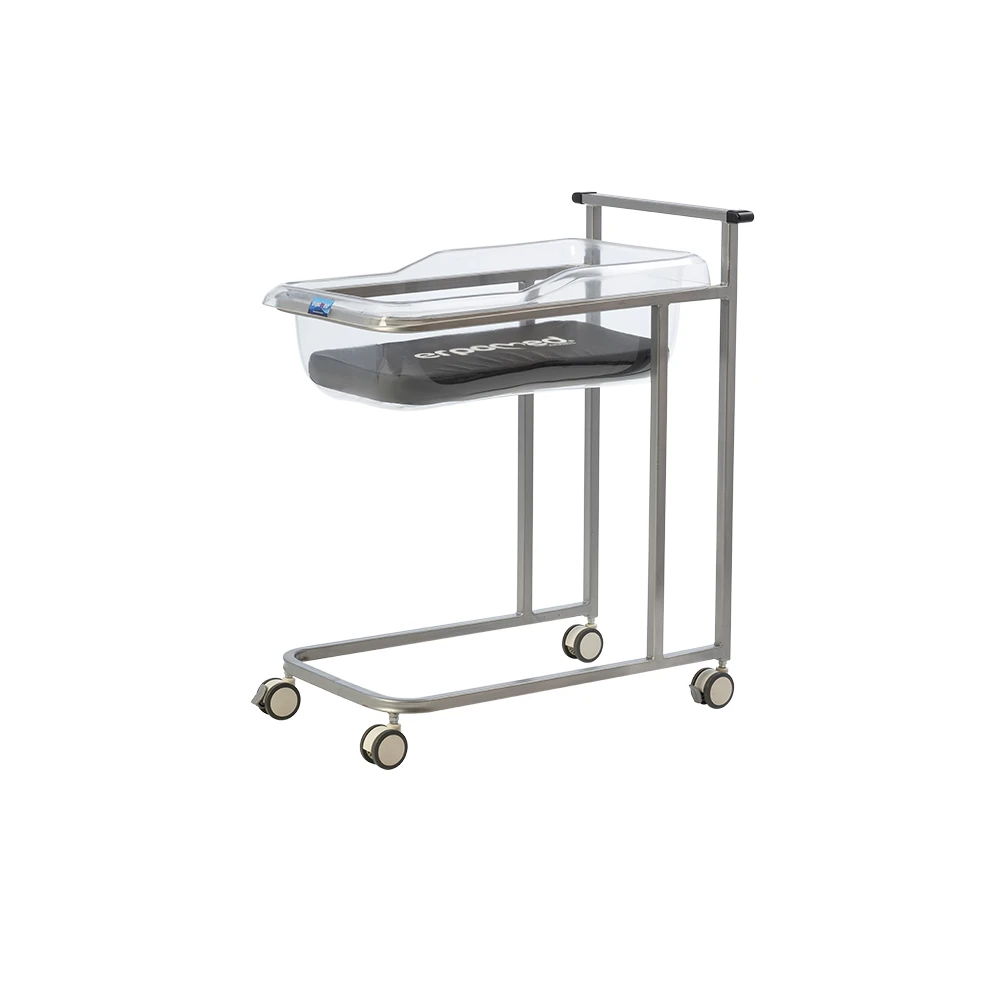
Erpomed ERP-1389 Premium Electric Pediatric Hospital Bed
The ERP-1389 is our flagship electric pediatric bed designed for general pediatric wards and medium-acuity recovery units. Featuring intuitive hand-pendant controls, full-length transparent acrylic or epoxy-coated steel side rails with zero-gap drop-down mechanisms, and anti-microbial paint, it delivers maximum visibility and security.
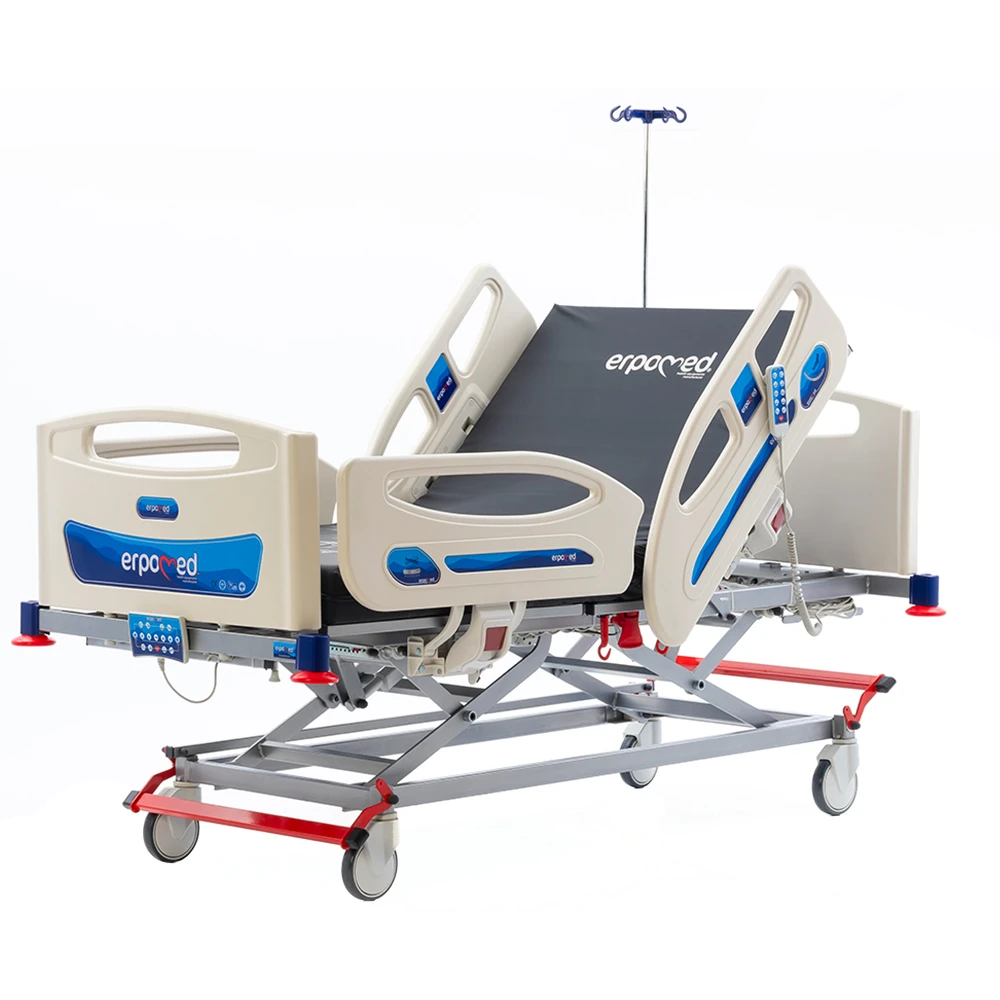
Erpomed ERCARE-400 Pediatric Intensive Care (PICU) Electric Bed
Engineered for critical care environments where precision positioning and continuous physiological monitoring are mandatory. The ERCARE-400 platform offers 4-motor articulation, electronic Trendelenburg / Reverse Trendelenburg movement, manual bilateral quick-release CPR levers, and integrated weigh-scale capabilities.
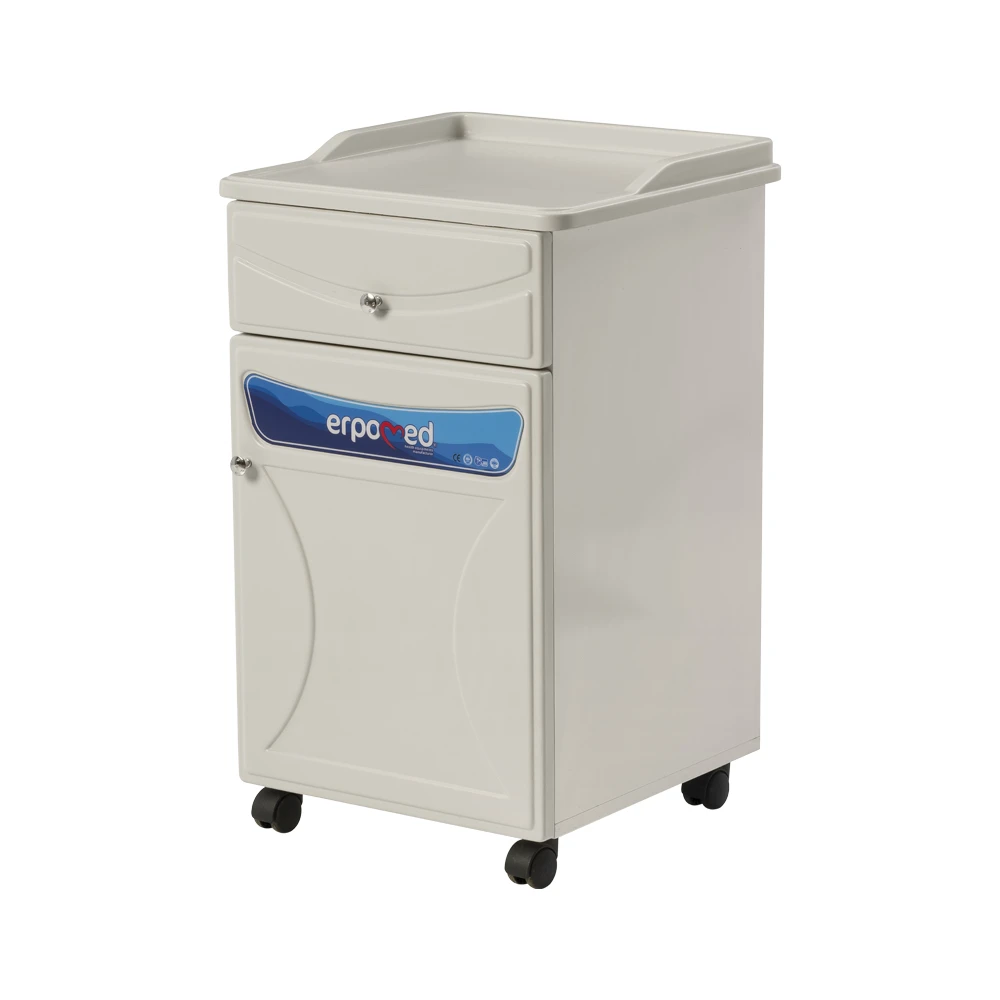
Erpomed ERP-1400 Manual Dual-Crank Pediatric Hospital Bed
A cost-effective, ultra-durable solution tailored for general pediatric wards, regional healthcare centers, and high-humidity tropical climates. Outfitted with smooth folding chrome-plated cranks, collapsible side barriers, and heavy-duty bumper wheels, the ERP-1400 provides high operational dependability with zero electrical power dependency.
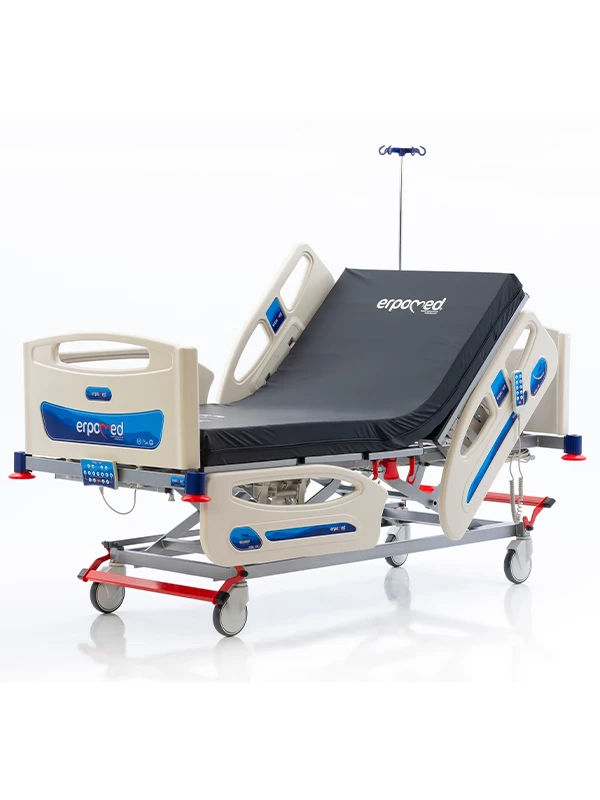
Erpomed Multi-Functional Specialty Pediatric Care Unit
Designed for long-stay pediatric wards, oncology units, and specialized rehabilitation centers. Integrates removable head/foot boards, height-adjustable IV poles, traction frame attachments, and pediatric-friendly aesthetic panels that reduce psychological anxiety during extended hospitalizations.
Technical Specification Matrix: B2B Selection Guide
To assist hospital procurement committees and biomedical engineering departments in selecting the appropriate model for specific clinical departments, the following comparison matrix details key technical indicators across our pediatric range:
| Model | Target Department | Drive System | Trendelenburg | Side Rail Type | Safe Working Load | Key Certification |
|---|---|---|---|---|---|---|
| ERP-1389 | General Pediatric Ward | 2/3 Motor Electric | Optional Manual/Elec. | Vertical Sliding / Transparent ABS | 180 kg | CE, ISO 13485, EN 60601-2-52 |
| ERCARE-400 | PICU / Critical Care | 4 Motor Linak Electric | Electronic (±16°) | Split Ergonomic ABS with Controls | 230 kg | CE, ISO 13485, IEC 60601-1, IPX6 |
| ERP-1400 | General Ward / Emergencies | Dual Mechanical Crank | N/A | Collapsible Stainless/Powder Steel | 150 kg | CE, ISO 9001 |
| ERP-Specialty | Oncology / Rehab / Long-Stay | 3 Motor Electric | Electronic Trendelenburg | Full Enclosure Acrylic Panels | 180 kg | CE, ISO 13485, EN 60601-2-52 |
Future Procurement Trends in Pediatric Medical Furniture (2025–2035)
Global hospital infrastructure projects are experiencing a transformative shift in procurement criteria for pediatric wards. Procurement directors are no longer evaluating hospital beds solely on initial capital expenditure (CAPEX); instead, selection frameworks prioritize Total Cost of Ownership (TCO), infection control compliance, digital connectivity, and patient-centered psychological safety. Erpomed tracks four macro procurement trends shaping pediatric hospital bed manufacturing over the next decade:
1. IoT Integration and Non-Invasive Patient Monitoring (Smart PICU Beds)
The modern Pediatric Intensive Care Unit relies heavily on continuous telemetry without increasing tactile disturbance to vulnerable infants. Next-generation pediatric beds are integrating micro-load-cell weight sensors directly into the mattress deck frame. These sensors communicate real-time patient weight fluctuations to the hospital’s Electronic Health Record (EHR) system, enabling precise drug dosage calculations without moving the child. Furthermore, continuous piezoelectric bed-exit sensors alert nursing stations immediately when an unattended child attempts to climb over side rails, preventing accidental fall incidents.
2. Antimicrobial Surface Engineering & Infection Control Protocols
Hospital-Acquired Infections (HAIs) in pediatric wards present severe clinical risks due to developing pediatric immune systems. Future procurement tenders increasingly require surface treatments that actively eliminate pathogen colonization. Erpomed incorporates silver-ion (Ag+) bio-functional additives directly into electrostatic epoxy-polyester coatings. This inorganic antimicrobial technology continuously disrupts bacterial cell wall synthesis (effective against MRSA, VRE, and E. coli) and withstands aggressive surface disinfection using quaternary ammonium compounds, hydrogen peroxide vapor, or sodium hypochlorite solutions without degrading polymer elasticity or frame integrity.
3. Psychological Ergonomics & Biophilic Aesthetic Design
Clinical studies consistently show that sterile, industrial-looking medical equipment heightens stress and cortisol levels in hospitalized children, negatively impacting physiological recovery rates. Emerging procurement mandates specify "child-friendly clinical design." Hospital buyers seek beds that combine warm, non-institutional color palettes and transparent acrylic side panels with biophilic contours while retaining 100% medical-grade cleanability. Clear side panels alleviate claustrophobia, allowing pediatric patients to maintain constant eye contact with parents and caregivers, significantly reducing pediatric preoperative and postoperative anxiety.
4. Modular Frame Adaptability & Multi-Age Standardization
Managing hospital inventory across varying pediatric age groups (infants, toddlers, pre-teens, and adolescents) historically required purchasing multiple distinct bed dimensions. Modern hospital logistics favor modular bed frames featuring telescopic longitudinal extension decks (expandable from 1400 mm to 1900 mm). This adaptability allows a single pediatric bed model to safely accommodate a broad range of pediatric patient populations, optimizing hospital bed utilization rates and reducing overall fleet management overhead.
Technological Evolution of Pediatric Hospital Bed Architecture
The mechanical and electrical architecture of pediatric beds has evolved significantly over the past two decades. Understanding these technological milestones highlights why upgrading legacy medical furniture fleets is essential for modern healthcare accreditation.
Low-Voltage DC Actuators (24V)
Transition from noisy high-voltage AC motors to ultra-quiet (under 45 dB) splash-proof (IPX6 rated) 24V linear actuators. Eliminates electrocution hazards during fluid spills and delivers smooth, step-less elevation adjustments.
Auto-Regression Backrest Kinematics
Advanced backrest mechanisms shift backwards by up to 10 cm as the backrest elevates. This auto-regression expands the sacral area, preventing skin shearing, sacral pressure ulcers, and abdominal compression in pediatric patients.
Bi-Lateral Manual CPR Quick Release
In acute cardiac emergencies, waiting for electric motors to lower the backrest is unacceptable. Erpomed integrates dual mechanical CPR dampers that instantly flatten the backrest in under 2.5 seconds with controlled hydraulic cushioning.
Seamless Thermoformed ABS Platforms
Replacing old welded wire mesh decks with removable, slot-ventilated thermoformed ABS deck sections. Allows rapid steam-cleaning, improves mattress aeration, and eliminates sharp edges that scratch pediatric skin.
Frequently Asked Questions: Global B2B Pediatric Bed Procurement
Below are authoritative answers to the most common technical, regulatory, and logistics queries submitted by international medical equipment distributors, tender boards, and hospital procurement officers.
For European Union importation, pediatric hospital beds are classified as Class I or Class IIa Medical Devices under the Medical Device Regulation (MDR 2017/745). They must carry the CE Mark and demonstrate compliance with EN 60601-1 (General safety), EN 60601-1-2 (EMC electromagnetic compatibility), and specifically EN 60601-2-52 (Medical bed safety standard). For the Middle East (e.g., SFDA in Saudi Arabia, MOHAP in UAE) and Latin America (e.g., ANVISA in Brazil), manufacturers must supply an ISO 13485 Medical Device Quality Management Certificate alongside a valid Free Sale Certificate (FSC). Erpomed provides complete technical documentation dossiers (STED) to streamline customs clearance and local health authority registrations.
The critical difference lies in maximum allowable gap dimensions and overall rail height. Adult medical bed standards permit internal rail bar gaps up to 120 mm. In pediatric bed design, vertical bar spacing must strictly remain under 60 mm to prevent a child’s head, limbs, or neck from becoming trapped (mitigating Entrapment Zones 1 through 4). Additionally, side rail height above the uncompressed mattress deck must measure at least 500 mm to 600 mm (compared to 220 mm in adult beds) to prevent energetic children from leaning over and accidentally falling out of bed.
While the pediatric patient weight might only range between 10 kg and 50 kg, the bed structure must withstand significantly higher loads due to clinical accessories, mattresses, parent co-sleeping, or emergency nursing interventions. For general pediatric ward beds, a Safe Working Load (SWL) of 150 kg to 180 kg is standard. For Pediatric Intensive Care Unit (PICU) beds, an SWL of 220 kg to 250 kg is recommended to support heavy clinical equipment, including syringe pumps, ventilators, IV poles, and patient transfer boards without frame deflection.
Erpomed utilizes a dual-layer surface defense system. All metallic frames undergo 16-stage automated chemical cleaning and zinc-phosphate pre-treatment before receiving an electrostatically applied silver-ion antimicrobial powder coating baked at 200°C. Plastic components (head/footboards, side rails, deck covers) are molded from virgin, high-impact ABS or polycarbonate materials with UV-stabilizers. These surfaces are certified non-porous and resistant to hospital-grade disinfectants, including isopropyl alcohol (70%), hydrogen peroxide solutions, and active chlorine compounds up to 1,000 ppm, preventing material yellowing or cracking.
Operating from Gaziantep, Turkey—a strategic industrial hub connected to Mersin and Iskenderun deep-water ports—Erpomed offers optimized shipping economics. Our pediatric beds feature semi-knockdown (SKD) or fully assembled stackable packaging designs. A standard 40-foot High Cube (40' HC) sea container accommodates approximately 60 to 75 fully assembled pediatric beds or up to 110 SKD units. Standard manufacturing lead time for container-load B2B orders is 15 to 25 business days following order confirmation.
The choice depends on clinical acuity and facility infrastructure. Electric pediatric beds reduce nursing strain, offer precise patient positioning, and allow self-operation for older children, delivering superior long-term clinical efficiency in high-budget or acute care facilities. However, manual dual-crank pediatric beds offer exceptional ROI for high-volume rural clinics or regional tenders where electrical power stability is inconsistent and maintenance budgets are limited. Manual beds eliminate electrical component wear, lowering lifetime maintenance costs to near zero.
Erpomed backs all hospital beds with a standard 2-year comprehensive factory warranty and guarantees spare parts availability (including actuators, control boxes, hand switches, side rail latches, and casters) for a minimum of 10 years post-production. We provide international distributors with complete service manuals, electrical schematics, explosive component diagrams, and video technical training to empower local biomedical engineering teams.
Why Choose Erpomed as Your OEM/ODM Pediatric Bed Manufacturing Partner
Based in Turkey, Erpomed (BSH Medical Furniture) has established itself over 25 years as an international powerhouse in healthcare furniture manufacturing. We combine Turkish industrial agility and competitive cost structures with strict European quality engineering.
Our state-of-the-art production facility in Gaziantep spans thousands of square meters, housing automated robotic welding stations, CNC tube bending machines, laser metal cutters, and automated electrostatic powder coating lines. This vertical integration enables complete oversight of every weld, joint, and coating layer.
- Global Supply Network: Exporting certified medical equipment to healthcare facilities across 77+ countries.
- Full Regulatory Compliance: ISO 9001 Quality Management, ISO 13485 Medical Devices Management, and CE marking across our product catalog.
- Customization & Tender Readiness: Dedicated R&D team tailored to modify bed dimensions, color accents, side rail mechanics, and motor specifications to match exact Ministry of Health tender requirements worldwide.
- Rigorous Stress & Safety Testing: 100% of manufactured pediatric beds undergo static load testing, dynamic brake testing, and electrical safety insulation checks prior to export packaging.