Understanding Chemotherapy Chair Architecture: Why Specialized Engineering Matters in Oncology Wards
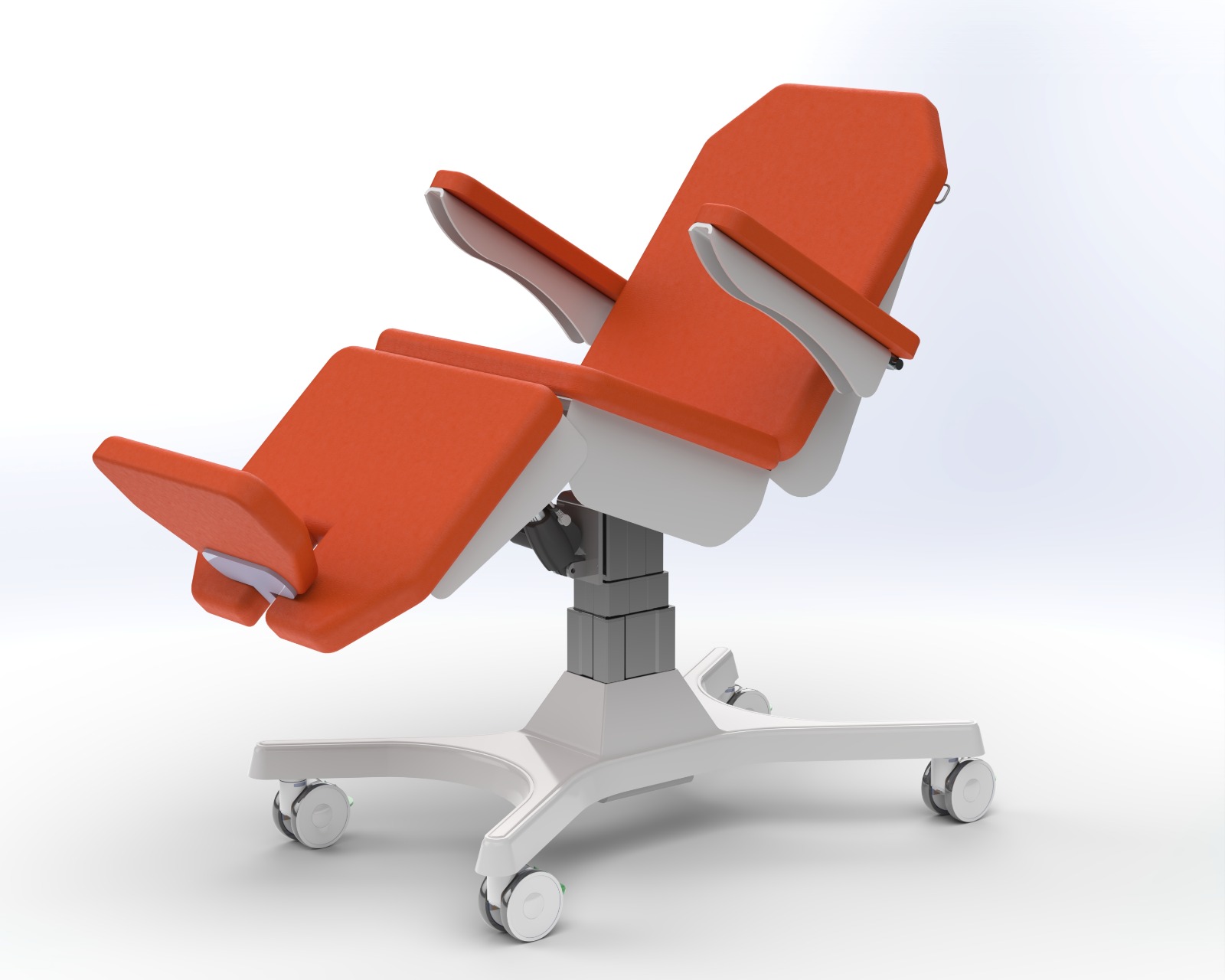
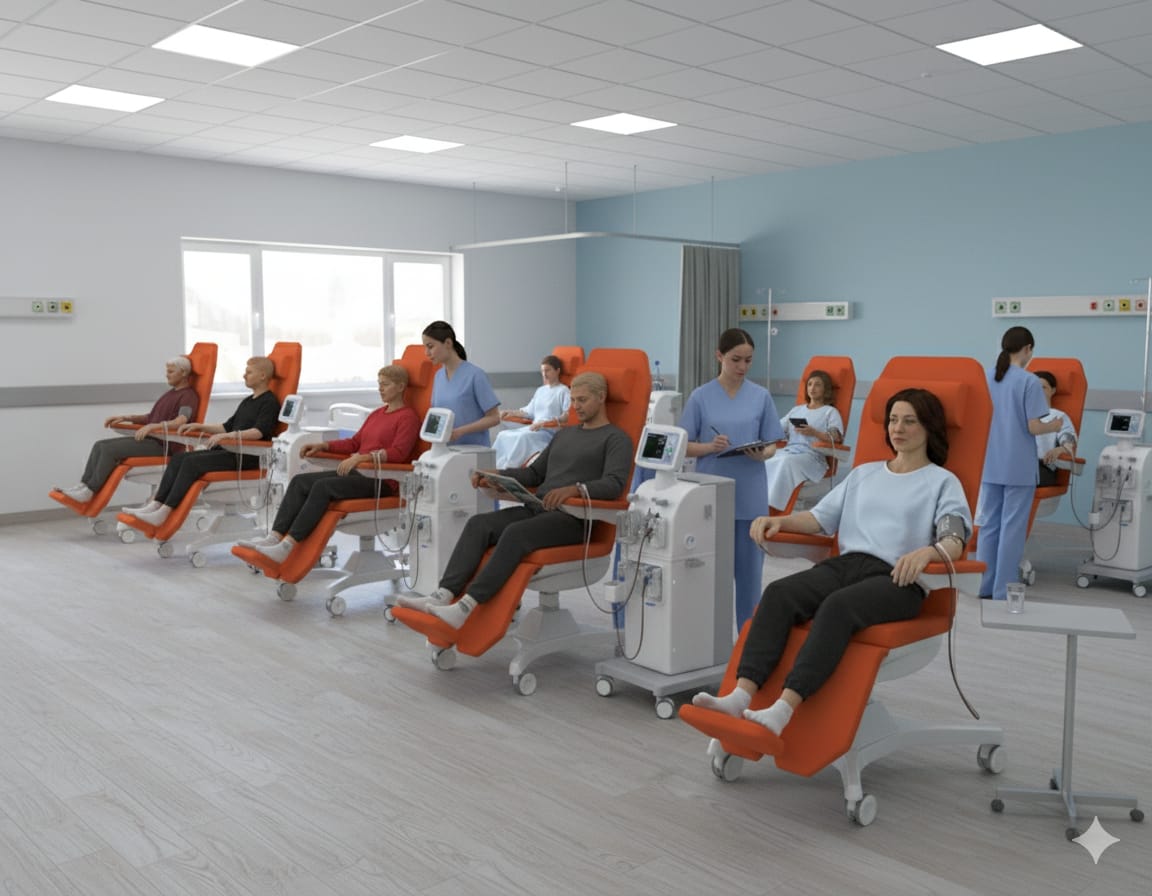
Chemotherapy treatment represents one of the most physically demanding outpatient medical procedures for patients and clinical staff alike. Unlike standard hospital room recliners or routine examination tables, a medical-grade chemotherapy chair is engineered specifically to accommodate long-duration intravenous (IV) infusion sessions that routinely span anywhere from 4 to 8 hours. During these extended treatment windows, chemotherapy patients experience severe physical vulnerability, including nausea, fatigue, acute muscle soreness, peripheral neuropathy, and sudden vasovagal syncope. Consequently, hospital procurement directors and healthcare facility planners must evaluate medical treatment chairs not merely as furniture, but as active clinical intervention tools designed to safeguard patient dignity, minimize physical strain, and facilitate immediate medical emergency access.
At Erpomed, headquartered in Gaziantep, Turkey, our medical engineering team has spent over 25 years analyzing the biomechanics of long-term seated posture in clinical environments. From our state-of-the-art manufacturing plant, we build high-specification electric chemotherapy chairs and specialized dialysis chairs that seamlessly integrate multi-axis motorized movement, high-density pressure-relieving viscoelastic cushioning, and rapid Trendelenburg tilt mechanisms. Operating under rigorous ISO 9001 and ISO 13485 quality frameworks, Erpomed manufactures CE-certified oncology recliners that directly address the core operational requirements of modern cancer centers, private day-infusion clinics, and major international hospital networks across more than 77 countries.
Key Insight for Global Medical Procurement Officers
Standard recliner furniture lacks the structural stability, emergency positioning speeds, and infection-control architecture mandated by global healthcare accreditation bodies. Investing in dedicated multi-motor chemotherapy chairs with instantaneous Trendelenburg activation significantly reduces nurse physical strain, prevents pressure ulcer development, and lowers total cost of ownership (TCO) through extended frame longevity.
Biomechanical Considerations for Long-Duration Infusion Sessions
When an oncology patient remains immobilized for several consecutive hours, static pressure concentrated on the sacrum, ischial tuberosities, and heels drastically restricts localized blood circulation. Standard foam padding compresses quickly, creating localized pressure spikes that lead to discomfort, anxiety, and in severe cases, skin breakdown. To solve this clinical challenge, Erpomed integrates high-resilience, high-density cold-molded polyurethane foam contoured to match the human spinal curvature. This anatomical profiling distributes patient body weight evenly across the entire surface area of the chair backrest, seat, and leg section.
Furthermore, clinical staff require unhindered, stable access to the patient's arms for vascular access, central venous line management, and continuous vital monitoring. Erpomed chemotherapy chairs feature multi-axis adjustable armrests that move smoothly in height, depth, and lateral tilt angles. This ensures that regardless of patient height or body habitus, the forearm remains perfectly supported in a neutral, strain-free position that prevents accidental IV needle displacement during long infusions.