
Featured Hospital Ward Beds for NZ Healthcare Procurement
Engineered for public hospital networks (Te Whatu Ora), private health facilities (Southern Cross Healthcare), and aged care providers. Built with heavy-duty cold-rolled steel, ergonomic tilt mechanics, and robust anti-microbial coatings.
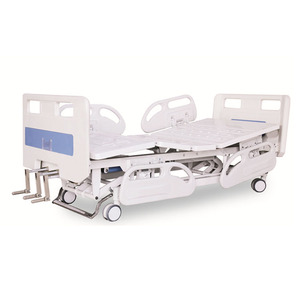
CH Medical Manual Hospital Bed Multi-Functional & Customizable 3-Crank Design
- 3 Independent Foldable Cranks
- High-Low Elevation & Back/Leg Adjustment
- Suitable for Acute Wards & Home Care
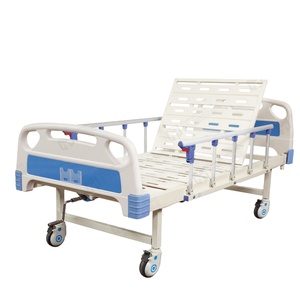
Manual 1-Crank Patient Bed with ABS Headboard & Aluminum Side Rails
- Smooth Backrest Tilt Adjustment
- Detachable Anti-Bacterial ABS Boards
- Foldable Collapsible Side Protection
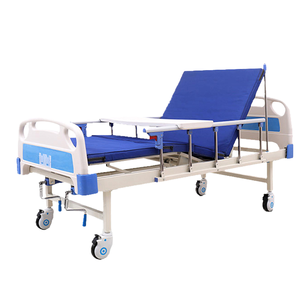
Factory Direct Manual Two-Crank Ward Bed with Leg Elevation (CE/ISO)
- Dual Mechanical Crank Operations
- Reinforced Steel Subframe (250kg Capacity)
- Certified ISO 13485 Medical Grade
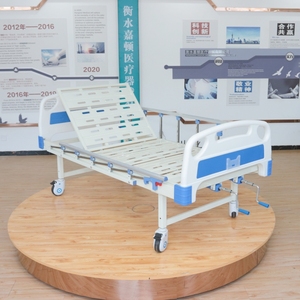
Heavy-Duty Dual-Crank Clinical Patient Care Ward Bed
- High-Durability Epoxy Powder Coating
- Central Brake Swivel Castors
- Standard Fit for Medical Mattresses
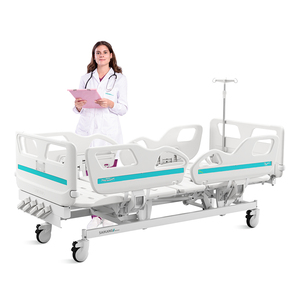
Customizable 5-Function Mechanical Ward Bed with Lifting System
- Trendelenburg & Rev-Trendelenburg
- Full Vertical High-Low Hydraulic/Manual
- Advanced Lateral Protection Rails
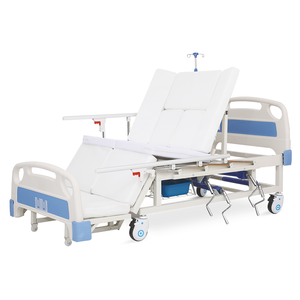
Manual Nursing Ward Bed with Side-Turning & Integrated Commode
- Bilateral Lateral Side-Turning Assist
- Quick-Release Sanitary Commode Mechanism
- Ideal for Long-Term Care & Rehab
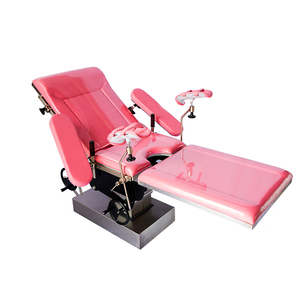
Multifunction Mechanical Hydraulic Gynecological & Examination Bed
- Seamless Hydraulic Height Controls
- Ergonomic Leg Support Attachments
- Easy Fluid Drainage & Cleaning
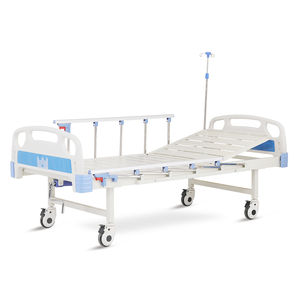
Reinforced 1.0mm Steel Single-Crank Ward Bed with Infusion Accessories
- Heavy Gauge Cold-Rolled Steel Frame
- Included Dining Table & IV Stand Pole
- High Mobility Lockable Swivel Wheels
New Zealand Medical Infrastructure & Ward Bed Procurement Standard
Understanding the unique institutional framework of Aotearoa New Zealand's healthcare ecosystem: From public hospital networks under Te Whatu Ora to private surgical centers and aged care providers.
Te Whatu Ora Integration
New Zealand’s centralized health authority mandates stringent standardized procurement protocols. Ward beds must align with strict bio-compatibility, infection control protocols, structural safety, and high-duty mechanical endurance across public hospital wards from Auckland to Southland.
AS/NZS 60601-2-52 Compliance
Equipping acute and general care facilities requires compliance with AS/NZS IEC 60601-2-52 safety standards. This governs side-rail entrapment prevention, electrical safety for motorized beds, mechanical crush zone protections, and structural stability during rapid patient repositioning.
Geographic & Maritime Supply Logistics
Due to New Zealand's island geography, procurement officers require manufacturing partners offering coastal-grade anti-corrosion frame treatments, resilient transit packaging, and stable spare parts supply chains into ports like Auckland, Tauranga, and Lyttelton.
Information Gain Insight: Hospital ward beds deployed in New Zealand must endure aggressive chemical sanitization using hospital-grade disinfectants (such as sodium hypochlorite and hydrogen peroxide wipes). Our beds feature thermo-set epoxy polyester powder coatings cured at 200°C to guarantee long-term corrosion resistance against humid maritime climates and continuous clinical washdowns.
Technical Comparison Matrix: Manual vs. Electric Ward Beds
A detailed engineering breakdown designed for clinical biomedical engineers, procurement directors, and healthcare facility architects comparing structural parameters and functional ergonomics.
| Feature / Parameter | 3-Crank Manual Ward Bed | 5-Function Hydraulic/Manual Bed | 2/3 Motor Electric Ward Bed | 4-Motor ICU Ward Bed |
|---|---|---|---|---|
| Primary Application | General Wards, Home Care, Emergency Care | Specialized Nursing, High-Dependence Wards | Standard Acute Care, Private Rooms | ICU, High Dependancy Units (HDU) |
| Backrest Elevation Range | 0° to 75° (±5°) | 0° to 75° (±5°) | 0° to 75° (±5°) | 0° to 80° (±5°) |
| Knee-Rest / Leg Elevation | 0° to 45° (±5°) | 0° to 45° (±5°) | 0° to 45° (±5°) | 0° to 45° (±5°) |
| Trendelenburg / Reverse | Manual Mechanical Screw System | 12° / 12° Hydraulic / Crank system | Optional Motorized Control | 16° / 16° Rapid Motorized Control |
| Safe Working Load (SWL) | 230 kg | 250 kg | 250 kg | 300 kg (Bariatric Compliant) |
| Chassis & Frame Material | Cold-Rolled Steel Tubular Frame | Heavy-Duty Rectangular Steel Frame | Robot-Welded Steel Chassis | Laser-Cut Reinforced Steel Structure |
| Castor & Braking System | 125mm Individual Brake Castors | 125mm Diagonal/Central Brake | 125mm Central Locking System | 150mm Central Locking + Directional Castor |
| Standards Compliance | CE, ISO 9001, ISO 13485 | CE, ISO 13485, EN 60601-2-52 | CE, IEC 60601-1, IEC 60601-2-52 | CE, AS/NZS IEC 60601-2-52, EMC Passed |
Ward Bed Application Scenarios Across New Zealand Healthcare Sectors
Tailoring bed design to specific clinical environments, patient demographics, and operational workflows unique to North and South Island facilities.
1. Public Hospital Acute & Surgical Wards
Public regional hospitals managed under Te Whatu Ora (such as Auckland City Hospital, Middlemore, Wellington Regional, and Christchurch Hospital) require high-turnover, exceptionally durable manual and electric ward beds. Features like removable head/foot boards, quick-access CPR releases, and bumper wheels protecting corridor walls are vital for high-occupancy acute wards.
2. Aged Care & Retirement Villages
New Zealand’s expanding eldercare sector—operated by groups like Ryman Healthcare, Metlifecare, and Summerset—demands low-height medical beds to minimize fall risks for residents. Beds integrated with dual side-turning capabilities and integrated commode options (such as our Model 6) assist caregivers in preventing pressure injuries and reducing manual lifting strains.
3. Private Surgical Clinics & Recovery Suites
Private healthcare organizations (e.g., Southern Cross Hospitals and MercyAscot) emphasize patient comfort, aesthetic design, and whisper-quiet motor operation. Customizable bed colors, wooden-finish ABS panels, and multi-positioning controls allow private clinics to provide a hotel-like recovery experience while maintaining clinical safety.
4. Community Nursing & Home Care Programs
For regional healthcare services delivering home-based care across rural Northland, Taranaki, or the West Coast, manual crank-operated beds offer maximum reliability without requiring complex electrical infrastructure. Easy disassembly and fold-down side rails streamline transport in light commercial vehicles.
5. Rehabilitation & Bariatric Units
Dedicated rehabilitation wards dealing with post-stroke, spinal trauma, or bariatric patients require high-capacity, multi-crank or hydraulic lifting systems. Enhanced frame geometry prevents lateral swaying during transfer, while extra-wide mattress decks accommodate specialized therapeutic mattresses.
6. Seismic-Zone & Emergency Preparedness
Given New Zealand’s high seismic activity (Wellington, Alpine Fault zones), ward beds must possess heavy-duty locking castor mechanisms and low-center-of-gravity engineering to prevent accidental rolling or tipping during tremors. Our double-wheel brake castors ensure rigid ground anchoring.
Key Trends Shaping Ward Bed Procurement in New Zealand
Navigating regulatory shifts, environmental initiatives, and ergonomic standards influencing procurement decisions across NZ hospitals.
1. Shift Toward Eco-Sustainable Manufacturing
New Zealand’s government health mandate emphasizes environmental sustainability and carbon offset goals. Procurement teams favor bed manufacturers using non-toxic powder coatings (free from heavy metals and VOCs), 100% recyclable steel alloys, and energy-efficient linear actuators in electrical models.
2. Nurse Safety & Occupational Ergonomics
Preventing caregiver injury is a primary focus for ACC (Accident Compensation Corporation) compliance in NZ health workplaces. Ward beds with smooth-turning mechanical cranks, low-force release latches, and hydraulic foot-pedal height adjusters significantly reduce lumbar strain during daily care activities.
3. Infection Control & Seamless Sanitization
Modern clinical guidelines demand smooth, crevice-free surfaces. Removable blown-molded ABS head and foot boards, tuck-away side rails, and laser-welded joint seams prevent fluid ingress and harbor points for healthcare-associated infections (HAIs) such as MRSA and C. difficile.
Erpomed Manufacturing Authority & Supply Chain Reliability
With over two decades of global manufacturing excellence, Erpomed delivers clinical furniture engineered to the world's most demanding healthcare standards.
Direct Factory Engineering & Global Export Capability
As a primary manufacturer operating certified production facilities, Erpomed eliminates intermediary markup while offering custom OEM/ODM configurations tailored specifically to New Zealand's technical specifications and voltage requirements (230V / 50Hz for motorized units).
Precision Robotics & Laser Fabrication
Our production facilities utilize automated robotic welding and high-precision CNC tube-laser cutting to ensure structural frame integrity and uniform weld strength across every single bed chassis.
Rigorous Quality Assurance Testing
Every ward bed undergoes static load testing up to 1.5x SWL, side-rail impact force testing, 10,000-cycle crank/motor endurance trials, and salt-spray anti-corrosion testing prior to container loading.
End-to-End Export Logistics
We provide full export documentation including CE Declarations of Conformity, ISO 13485 certificate packages, Certificate of Origin (COO), and seaworthy wooden/palletized packing for damage-free transit to NZ ports.
Frequently Asked Questions by New Zealand Healthcare Buyers
Essential technical, compliance, and shipping answers for facility managers and purchasing directors across Auckland, Wellington, Christchurch, and regional DHBs.
Q1: Do your ward beds comply with New Zealand safety standards (AS/NZS IEC 60601-2-52)?
Yes. Our medical ward beds are designed and certified according to international medical electrical and structural standards, including IEC 60601-2-52 (which directly harmonizes with AS/NZS IEC 60601-2-52). We provide complete technical testing dossiers, EMC compliance reports, and CE/ISO 13485 certificates required for registration and clinical deployment in New Zealand.
Q2: What are the shipping lead times and delivery logistics to New Zealand ports?
Standard manufacturing lead time for container orders (20ft / 40ft HQ) ranges between 15 to 25 business days depending on customization requirements. Maritime freight transit time to major New Zealand ports—including Ports of Auckland, Port of Tauranga, and Lyttelton Port (Christchurch)—typically takes 20 to 28 days. We handle FOB, CIF, or DDP shipping terms in coordination with local logistics partners.
Q3: How are spare parts, maintenance, and technical warranties supported in NZ?
All Erpomed ward beds come with a standard 2-year comprehensive factory warranty on structural frames and mechanical components (cranks, actuators, castors). We supply complete modular spare parts kits (such as replacement crank handles, side-rail latch mechanisms, and control boxes) with bulk orders, and offer remote technical video support for facility biomedical engineering teams.
Q4: Can beds be configured with specific accessories (e.g., IV poles, overbed tables, mattresses)?
Absolutely. We offer fully customizable accessory packages including stainless steel telescopic IV poles, detachable overbed dining tables, high-density waterproof pressure-relieving foam mattresses, CPR emergency release handles, and central locking brake mechanisms tailored to your facility’s clinical requirements.
Q5: What anti-corrosion protection is applied to prevent rust in coastal NZ environments?
Our metal components undergo a 9-stage pre-treatment wash process followed by automated electrostatic nano-ceramic powder coating. This creates an impenetrable barrier against moisture, airborne ocean salt, and aggressive hospital-grade chemical disinfectants, guaranteeing long-term rust prevention.
Q6: Do you support bulk hospital tender bidding for public health authorities?
Yes, we partner directly with accredited New Zealand medical equipment distributors and healthcare supply chain contractors to submit comprehensive tender documentation, technical drawings, CAD files, ISO factory audit reports, and competitive bulk factory-direct pricing for public hospital re-equipment projects.
Request a Custom Quote & Technical Catalog for NZ Procurement
Connect directly with our senior medical equipment engineers to discuss your facility's requirements, request sample units, or receive factory-direct wholesale pricing for New Zealand hospital orders.
Contact Us