
Featured Hospital & Pediatric Bed Solutions for Kenya
Direct Factory OEM/ODM Certified Hospital Equipment Engineered for High Durability, Anti-Corrosion Protection, and Local Clinical Versatility.
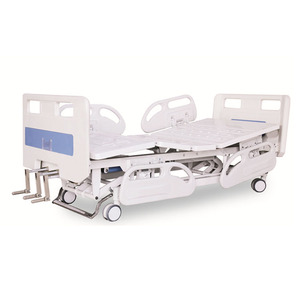
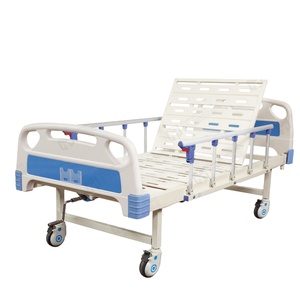
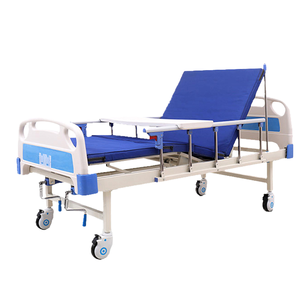
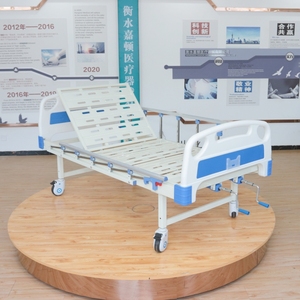
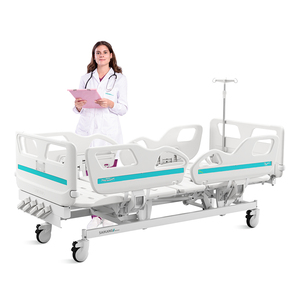
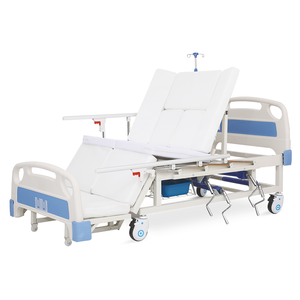
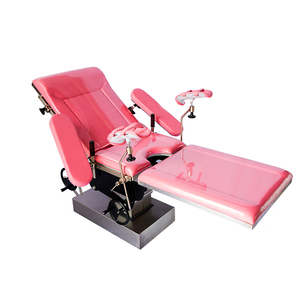
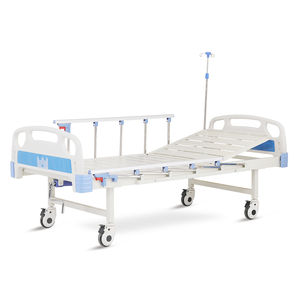
Pediatric Healthcare Infrastructure in Kenya: Technical Procurement Whitepaper 2025–2030
The Kenyan healthcare landscape is undergoing an unprecedented structural transition driven by the Ministry of Health's Universal Health Coverage (UHC) program, expansion of county referral facilities under the Managed Equipment Services (MES) model, and aggressive investments by private health networks such as the Aga Khan Health Services, Gertrude’s Children’s Hospital, and The Nairobi Hospital. Within pediatric clinical care, hospital beds are not merely passive furniture—they are active critical care platforms engineered to accommodate rapid developmental changes, prevent clinical fall injuries, facilitate continuous vital sign monitoring, and withstand rigorous sterilization protocols under sub-tropical climatic conditions.
Unlike adult medical furniture, pediatric beds exported to Kenya must address specific environmental challenges: coastal humidity in Mombasa causing structural oxidation, power grid instability in rural counties (Turkana, Kilifi, West Pokot) requiring manual override capabilities, and strict mechanical pinch-point elimination to satisfy the Kenya Bureau of Standards (KEBS) standards aligned with IEC 60601-2-52.
Key Market Trends Reshaping Medical Procurement in East Africa
Biomedical engineers, hospital administrators, and procurement teams across Nairobi, Kisumu, Eldoret, and Mombasa are prioritizing four core parameters when specifying pediatric beds for public tenders and private facility upgrades:
- Pediatric Entrapment Prevention (Gap Tolerance < 60mm): Structural safety standards mandate that vertical bar spacing on side rails must strictly measure under 60mm to prevent head and neck entrapment in infant and youth patients, surpassing traditional adult bed safety metrics.
- Dual-System Power & Manual Redundancy: With localized power surges and load shedding in rural sub-counties, pediatric intensive care unit (PICU) beds are increasingly specified with hybrid actuation—combining Linak electric actuators backed by sealed lead-acid emergency battery packs and manual mechanical cranks.
- Antimicrobial Powder Coating: High atmospheric humidity along coastal belts accelerates rust formation. Leading international manufacturers now employ electrostatic epoxy-polyester powder coatings impregnated with silver ions (Ag+), delivering 99.9% antibacterial protection against Staphylococcus aureus and Pseudomonas aeruginosa while offering 1,000-hour salt-spray corrosion protection.
- Modular Ergonomics for Caregivers: Pediatric nursing teams require rapid access for emergency resuscitation (CPR release), transparent acrylic side panels for uninterrupted visual monitoring, and height adjustment (Hi-Lo range between 450mm to 850mm) to alleviate caregiver lumbar strain.
Comparative Matrix: Electric vs. Manual Pediatric Beds in Kenya
| Technical Feature | Electric PICU Pediatric Beds | Manual Multi-Crank Pediatric Beds | Pediatric Examination Stretchers |
|---|---|---|---|
| Primary Application | Level 5/6 ICU & High Dependency Units | General Pediatric Wards & Sub-County Clinics | Emergency Triage & Day Surgery Units |
| Actuation Method | 24V DC Linak Electric Actuators + Battery | Foldable Stainless Steel Mechanical Cranks | Hydraulic Foot-Pump System |
| Power Dependency | Grid Dependent (Battery Backup 48h) | 100% Power Grid Independent | 100% Power Grid Independent |
| KEBS & ISO Compliance | IEC 60601-2-52, CE, ISO 13485 | ISO 9001, CE Medical Device Class I | CE Class I, ISO 13485 |
| Maintenance Profile | Annual Calibration & Battery Check | Low-Maintenance Mechanical Lubrication | Hydraulic Seal Inspection (Bi-annual) |
| Cost Profile (Kenya Market) | Capital Expenditure / High Specs | High ROI / Low Initial CapEx | Medium CapEx / Fast Turnaround |
Top 10 Pediatric Hospital Bed Manufacturers Serving Kenya
Selecting the right manufacturing partner requires evaluating export logistics, CE/FDA certifications, local warranty support, and structural customization capability. Below is the definitive ranking of global OEMs and medical device manufacturers serving Kenya’s hospital network:
Key Advantages: 25+ years of manufacturing expertise, CE & ISO 13485 certified, exporting to 77+ countries including direct container routes to Mombasa Port. Offers high-grade cold-rolled steel construction, customizable pediatric side-rail dimensions, and robust manual 1-3 crank and electric bed ranges at factory-direct pricing.
Key Advantages: Premium European engineering specializing in high-end ICU and pediatric critical care beds. Known for the Tom 2 pediatric bed series featuring lateral tilt and advanced column elevators. Higher capital investment profile.
Key Advantages: Industry-standard emergency stretchers and pediatric hospital cribs. Features electric control systems, zoom drive technology, and robust anti-fall lock systems. Dominates high-budget private facility tenders in Nairobi.
Key Advantages: Italian aesthetic design paired with strict European hygiene standards. Provides fully transparent side panel options for pediatric visual telemetry and ergonomic child-care positioning.
Key Advantages: Renowned across Asia and East Africa for ultra-durable motorized actuators and low-height patient beds. High reliability in intensive clinical environments with minimal maintenance requirements.
Key Advantages: German craftsmanship specializing in pediatric ward safety. Features seamless resin surfaces, central braking systems, and ergonomic push-handles for efficient ward transport.
Key Advantages: Large-scale volume production offering budget-friendly manual pediatric beds. Widely distributed across East African tender projects requiring fast dispatch times.
Key Advantages: Modular pediatric hospital furniture systems emphasizing colorful, child-friendly designs that reduce pediatric hospitalization anxiety while maintaining clinical-grade disinfection capabilities.
Key Advantages: Specialized low-height pediatric beds designed to simplify patient transfer and eliminate fall risks. Features clean design lines to prevent bacterial accumulation.
Key Advantages: Global leader in patient handling, pressure injury prevention, and specialized pediatric therapeutic surfaces. Provides comprehensive clinical training and hospital integration services.
Localized Application Scenarios & Engineering Adaptations for Kenya
Deploying pediatric medical equipment in Kenya demands a clear understanding of regional clinical settings. Standard European or North American specifications often fail if they do not account for local environmental and operational variables:
1. National Referral & County Level 5 Hospitals (e.g., KNH, Kenyatta University Teaching Hospital)
These facilities handle complex pediatric trauma, organ failure, and neonatal/pediatric post-operative recovery. The primary procurement requirement is 4-Motor Electric PICU Beds or Customizable 5-Function Manual Beds. Key features include radiolucent backrests for bedside X-ray imaging, Trendelenburg/Reverse Trendelenburg controls for hemodynamics, and dual-sided nurse control panels with lockout functions to prevent child tampering.
2. Rural Sub-County Health Centers & Mission Hospitals (e.g., PCEA, CMMB Facilities)
In peripheral counties, power reliability remains a operational challenge. Here, Manual 2-Crank and 3-Crank Pediatric Beds are the standard workhorse. Mechanical gearboxes must be fully enclosed and grease-lubricated for life to resist dust ingress. Accessories must include dual IV pole sockets, heavy-duty ABS overbed dining tables, and 125mm individual-locking castors capable of navigating uneven concrete surfaces.
3. Coastal Region Hospitals (Mombasa, Kilifi, Kwale, Lamu)
The high salinity and humidity along the Indian Ocean coastline lead to rapid oxidation of inferior metals. Equipment supplied by Erpomed utilizes structural steel treated with a 7-stage zinc-phosphate pre-wash followed by electrostatic epoxy powder baking at 200°C. Stainless steel 304 side rails and hardware are standard to prevent rust degradation over 10+ years of operational service.
Manufacturer Advantage: Why Erpomed Is the Preferred B2B OEM Partner
Erpomed (operating under BSH Medical Equipments Manufacturing) combines European production standards with direct factory pricing, serving as an ideal supply chain partner for Kenyan healthcare distributors, government procurement agencies, and private medical groups.
Pediatric Hospital Bed Procurement FAQs (Kenya Market)
Q1: What certifications are mandatory for importing pediatric hospital beds into Kenya?
Imports into Kenya require Pre-Export Verification of Conformity (PVoC) issued by authorized inspection agents (such as SGS, Intertek, or Bureau Veritas) to obtain a Certificate of Conformity (CoC) needed for Kenya Revenue Authority (KRA) and Kenya Bureau of Standards (KEBS) customs clearance. Equipment must carry valid ISO 9001, ISO 13485, and CE certificates.
Q2: How does Erpomed ensure pediatric bed safety against fall hazards and entrapment?
Erpomed pediatric beds are designed according to international pediatric safety standards (IEC 60601-2-52). Vertical bar gaps are engineered under 60mm, side rail heights exceed 600mm above mattress level, and dual-stage safety drop-down latches prevent accidental lowering by young patients.
Q3: What is the typical lead time for sea freight from Turkey to Mombasa Port?
Manufacturing lead time ranges from 14 to 21 days depending on order volume. Transit time for containerized ocean shipping from Turkish ports (Izmir, Mersin, or Istanbul) to Mombasa Port typically takes 22 to 28 days, ensuring delivery within 45 days of order confirmation.
Q4: Are electric pediatric beds suitable for regions with erratic mains electricity?
Yes. Erpomed electric pediatric beds feature 24V DC Linak actuators with integrated rechargeable backup batteries capable of completing up to 50 full adjustment cycles during power outages. Manual emergency override CPR handles are also fitted as standard on critical care models.
Q5: Can Erpomed fulfill bulk county healthcare tender orders in Kenya?
Absolutely. Erpomed has an annual production capacity exceeding 10,000 units across its manufacturing facilities. We regularly support regional medical distributors submitting bids for Ministry of Health (MOH) tenders, private hospital network upgrades, and NGO relief procurements.
Q6: What warranty and spare parts support is available for Kenyan buyers?
All Erpomed pediatric hospital beds come with a standard 2-year warranty covering frame construction, mechanical cranks, and electrical actuators. We supply fast-moving spare parts kits (castors, crank handles, gas springs, control boxes) with every container shipment.
Request Complete Product Catalog & B2B Price List
Partner directly with a CE-certified manufacturer. Get factory pricing, technical specifications, and container loading details for Kenya healthcare projects.