
Engineering Standards for Wheelchair & Patient Mobility Equipment in Greater Seattle
As healthcare infrastructure across Washington State expands—led by Tier-1 research networks such as UW Medicine, Swedish Health Services, Virginia Mason Franciscan Health, and Harborview Medical Center—the demand for high-durability, clinically compliant mobility devices has reached an all-time high. Procurement directors and Durable Medical Equipment (DME) distributors operating within King, Pierce, and Snohomish counties face a unique matrix of environmental, regulatory, and topographical challenges when sourcing manual wheelchairs, electric power chairs, and integrated patient care beds.
Serving the Seattle market requires more than standard B2B medical supply manufacturing; it demands engineering tailored specifically to the Pacific Northwest's specific operational landscape. From corrosion-resistant frame treatments capable of withstanding Puget Sound's high coastal humidity to anti-slip polyurethane wheel compounds engineered for Seattle's famous 14% to 21% urban street gradients (such as Queen Anne and Capitol Hill), our wheelchair and mobility manufacturing lines deliver unmatched reliability and safety.
1. Metallurgical Integrity & Weatherproof Surface Engineering
Seattle’s maritime climate brings consistent precipitation, cool dampness, and exposure to airborne ocean salts. Standard carbon steel mobility frames are prone to internal oxidation and joint degradation when deployed in regional home care environments or transported across outdoor hospital campuses. Our manufacturing processes integrate electrostatic thermosetting epoxy powder coatings over shot-blasted, cold-rolled aircraft-grade aluminum (6061-T6 alloy) and seamless 1.2mm structural steel tubing.
- Salt Spray Endurance: Tested to ASTM B117 standards for 720+ hours with zero surface pitting or micro-cracking.
- Hydrophobic Upholstery: High-density flame-retardant vinyl and breathable 3D honeycomb mesh upholstery treated with silver-ion antimicrobial agents, preventing mold, mildew, and cross-contamination in high-humidity climates.
- Sealed Precision Bearings: Fully enclosed, maintenance-free stainless steel ball bearings in caster wheels and rear drive hubs to exclude water, grit, and street debris.
2. Compliance with US Federal & Washington State Healthcare Standards
Exporting medical mobility equipment into the Seattle market requires strict adherence to regulatory bodies including the U.S. Food and Drug Administration (FDA 510k compliance), the Americans with Disabilities Act (ADA) accessibility guidelines, and ANSI/RESNA WC-1 & WC-2 structural test standards. Every wheelchair, manual care bed, and specialized examination platform shipped from our facility undergoes rigorous dynamic double-drum fatigue testing (over 200,000 cycles) and drop-impact validation prior to export documentation release.
| Wheelchair / Equipment Category | Frame Metallurgy | Standard Weight Capacity | Target Clinical Setting (Seattle Region) | Regulatory Certifications |
|---|---|---|---|---|
| Standard Institutional Wheelchair | Chromed Carbon Steel / 6061-T6 Alum | 250 lbs - 350 lbs (113 - 158 kg) | Hospital Transport, Outpatient Clinics, ER Wards | FDA 510(k), ISO 13485, CE, ADA Compliant |
| Bariatric Heavy-Duty Wheelchair | Double-Crossbraced Reinforced Steel | 500 lbs - 700 lbs (226 - 317 kg) | Bariatric Care Wards, Post-Surgical Rehab Units | ANSI/RESNA WC-1, ISO 13485, CE |
| Lightweight Ergonomic Transport Chair | Ultra-Light Anodized Aluminum | 220 lbs - 300 lbs (100 - 136 kg) | Home Care, Assisted Living, Seattle Metro Transit | FDA Registered, CE Mark, EN 12183 |
| Pediatric Rehabilitation Chair | Modular Micro-Adjustable Aluminum | 150 lbs (68 kg) | Children’s Hospital Wards, Pediatric Physical Therapy | ISO 13485, Pediatric ADA Ergonomics |
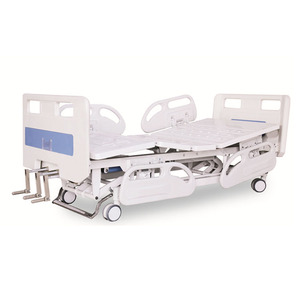
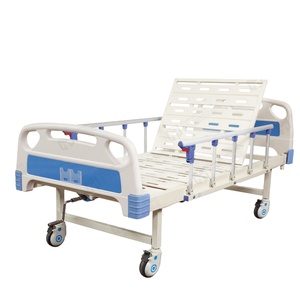
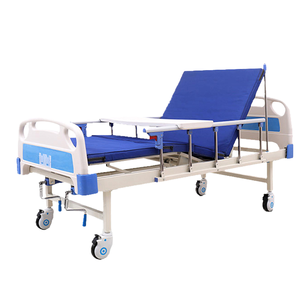
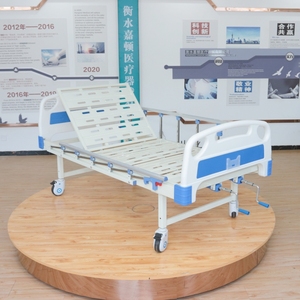
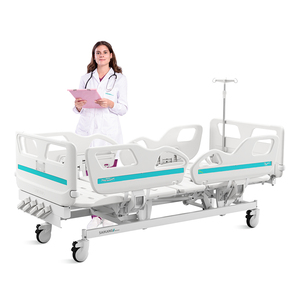
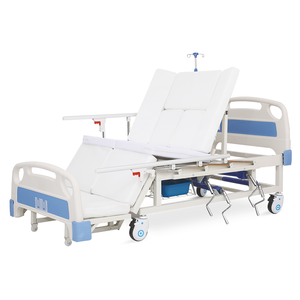
| Multi-Function Nursing Bed (With Commode) | 1.0mm - 1.2mm Cold-Rolled Steel | 450 lbs (204 kg) | Long-Term Skilled Nursing Facilities, Memory Care | IEC 60601-2-52, CE, ISO 9001 |