
Comprehensive Technical Report: Medical Mobile Furniture & Instrument Cart Distribution in Costa Rica
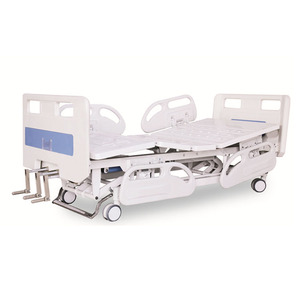
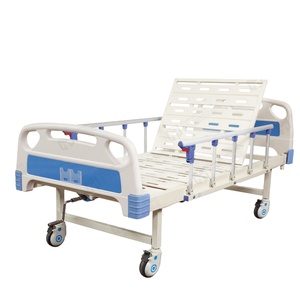
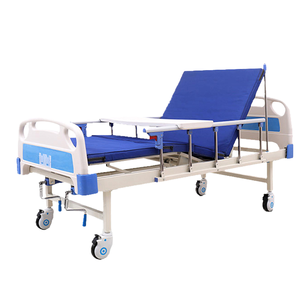
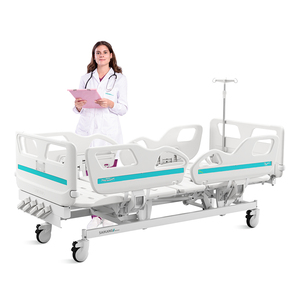
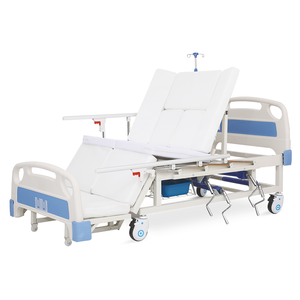
Costa Rica stands as Central America's premier healthcare hub, characterized by a sophisticated dual-system framework comprising the public system managed by the Caja Costarricense de Seguro Social (CCSS) and a rapidly expanding private sector driven by international medical tourism. Procuring high-performance medical equipment—specifically instrument carts, crash carts, anesthesia trolleys, stainless steel utility tables, and specialized clinical beds—requires an in-depth understanding of local regulatory compliance, tropical microclimate challenges, and strict ergonomic demands.
As a global OEM/ODM manufacturer and direct exporter serving the Costa Rican healthcare market, our engineering framework integrates high-grade AISI 304/316 stainless steel alloys, advanced anti-microbial thermoplastic coatings, and precision-sealed German-engineered casters. This technical whitepaper outlines the structural requirements, procurement trends, and regulatory considerations essential for hospital procurement managers, biomedical engineers, and regional distributors in Costa Rica.
1. Clinical Application Scenarios Across Costa Rican Medical Infrastructure
Medical mobile carts and clinical furniture are not generic commodities; they must be tailored to specific clinical workflows within Costa Rican medical institutions:
Operating Rooms & Surgical Suites
Surgical instrument carts require seamless welded 304 stainless steel construction, raised perimeter lips to prevent fluid spillage, anti-static non-marking casters, and modular tray configurations compatible with DIN instrument baskets used in San José operating rooms.
Emergency & Intensive Care Units (ICU)
Crash carts and emergency instrument trolleys require centralized key-lock or breakaway seal latches, integrated defibrillator shelves, oxygen cylinder holders, cardiac boards, and color-coded drawer dividers for rapid resuscitation response under CCSS protocol.
Private Clinics & Medical Tourism Centers
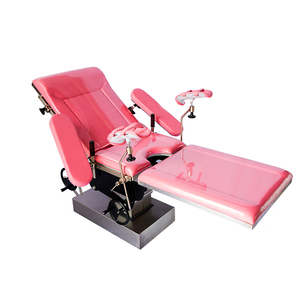
Facilities in Escazú, Santa Ana, and San José cater to international patients requiring sleek, quiet, aesthetically refined treatment carts and multi-function examination tables equipped with ultra-quiet hydraulic or electric actuators.
2. Localized Market Trends & Regulatory Shifts in Costa Rica
When evaluating instrument cart suppliers for Costa Rica, buyers must align with several critical macro trends transforming the national healthcare landscape:
- Ministry of Health (Ministerio de Salud) Registration: All imported medical furniture categorized under class I or II medical devices must possess valid sanitary registration (Registro Sanitario) issued by the Dirección de Regulación de Productos de Interés Sanitario. Our export documentation package includes complete Certificates of Free Sale (CFS), ISO 13485:2016 certifications, and CE declarations of conformity.
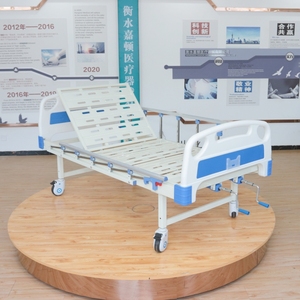
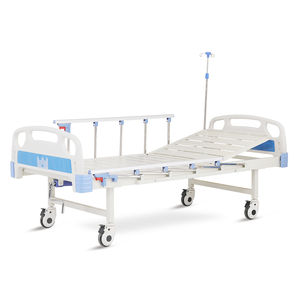
- Decentralization of CCSS Healthcare Services: The expansion of Equipos Básicos de Atención Integral en Salud (EBAIS) into rural communities demands lightweight, mobile, and highly durable manual nursing carts and portable patient beds capable of traversing unpaved access ways without structural fatigue.
- Seismic Safety & Ergonomic Standards: Costa Rica is located in an active seismic zone. Mobile carts must feature dual-wheel braking mechanisms and low center-of-gravity engineering to prevent tipping during minor seismic events. Furthermore, carts must adhere to ISO 11199 mobility standards.
- Maritime Logistics Optimization: Direct ocean container delivery to Puerto Limón (Atlantic route) or Puerto Caldera (Pacific route) requires sea-worthy vacuum packing and moisture-absorbing silica desiccants to prevent surface condensation during transit through tropical waters.
Technical Specification Comparison: Standard Commercial vs. Medical-Grade Instrument Carts
| Feature Benchmark | Commercial Utility Trolley | Erpomed Medical-Grade Cart |
|---|---|---|
| Material Composition | 201 Stainless / Coated Iron | AISI 304 / High-Impact ABS Structural Polymer |
| Chemical Resistance | Degrades under harsh disinfectants | Resistant to hypochlorite, alcohol, & peracetic acid |
| Caster Specification | Standard rubber, non-locking | 5-inch medical TPR casters with central lock & thread guards |
| Load Capacity | 50 kg - 80 kg maximum | 180 kg - 250 kg reinforced dynamic load limit |
3. Why Costa Rican Hospitals Partner with Our Export Division
With over 25 years of specialized medical furniture manufacturing experience exporting to over 77 countries, our factory delivers unmatched factory-direct advantages to procurement authorities across Costa Rica:
Strict Quality Assurance: Every instrument cart, emergency bed, and stainless steel cabinet undergoes rigorous load-bearing tests, caster rotation fatigue testing, and surface finish salt-spray testing prior to containerization.
OEM/ODM Customization Capabilities: We tailor drawer dimensions, lock types (electronic keycard, combination, manual key), color codes, side accessory rails, and pole attachments based on your facility's specific clinical blueprint.