
Executive Whitepaper: Electric Delivery & Birthing Equipment in the Philippines
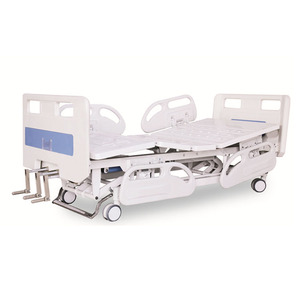
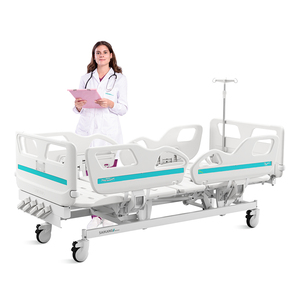
The healthcare infrastructure of the Philippines is undergoing a monumental modernization phase. Driven by the full implementation of the Universal Health Care (UHC) Act (Republic Act No. 11223), government hospitals under the Department of Health (DOH), Local Government Unit (LGU) medical centers, and private birthing clinics across Luzon, Visayas, and Mindanao are upgrading their maternal-child health suites. Central to this transition is the retirement of traditional, legacy manual delivery tables and the deployment of advanced electric delivery beds and multi-functional Labor-Delivery-Recovery (LDR) furniture systems.
Modern obstetric clinical standards demand that birthing beds deliver rapid articulation, seamless Trendelenburg and Reverse-Trendelenburg tilting, smooth motorized height adjustment, and ergonomic flexibility for healthcare professionals. Furthermore, equipment deployed in the Philippines must withstand specific regional challenges: high coastal atmospheric salinity, extreme relative humidity (ranging between 80% and 95%), power grid fluctuations (brownouts), and intense clinical throughput in high-volume municipal health centers.
Technical Architecture & Tropicalization Engineering
When procuring electric birthing tables and hospital beds for Philippine installations, healthcare facility managers must evaluate critical mechanical, electrical, and material specifications. Below is an engineering overview of parameters required for long-term operational resilience:
Anti-Corrosion Powder Coating
Tropical climates accelerate oxidation on exposed steel framework. High-grade electric delivery beds feature double-pass electrophoretic coating (ED) topped with antibacterial epoxy polyester powder coating. Critical mechanical joints utilize 304 or 316 surgical stainless steel to prevent rust caused by aggressive chemical disinfectants and saline sea air.
220V/60Hz Electrical Reliability
The Philippines operates on a unique standard grid voltage of 220V at 60Hz. Electric delivery beds must be equipped with localized linear actuator systems (e.g., Linak or Dewert equivalent) certified for 220V/60Hz inputs. Integrated heavy-duty lead-acid or lithium battery backup systems ensure full motor operation for up to 50 cycles during power outages.
Clinical Ergonomics & Safety
Motorized backrest adjustment (0° to 70°), knee gatch adjustment (0° to 45°), and rapid electric Trendelenburg tilt (≥12°) allow clinical personnel to swiftly respond to shoulder dystocia or maternal shock. Detachable leg sections transform the recovery bed into an ergonomic birthing platform in seconds.
Engineering Comparison: Manual vs. Electric Delivery Beds for Philippine Hospitals
| Performance Vector | Legacy Manual Delivery Beds | Modern Electric Delivery Beds | Philippine Standard Compliance |
|---|---|---|---|
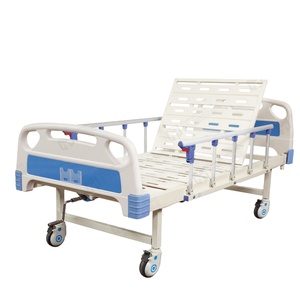
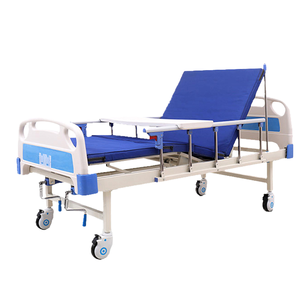
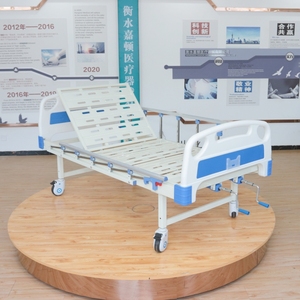
| Actuation Method | Mechanical Hand Cranks / Hydraulic Pedal | Triple/Quad Linear Electric Actuators | DOH Level 2 & 3 Required |
| Emergency Positioning | Slow manual adjustment (30-60 secs) | Instant CPR & Trendelenburg button (< 8 secs) | PhilHealth Critical Safety Standard |
| Power Grid Resiliency | Grid independent | 220V/60Hz + Auto Charging Backup Battery | Essential for Island/Provincial Health Units |
| Infection Control | Exposed metal screws & fluid traps | Seamless ABS Base Covers & Removable Basin | FDA Philippines Sanitation Compliant |
| Max Safe Working Load | 135 kg - 175 kg | 230 kg - 280 kg (Bariatric Capable) | ISO 60601-2-52 Standard |
Localized Application Scenarios in the Philippines
Healthcare delivery in the Philippine archipelago varies significantly between urban metropolitan hubs and remote island provinces. Electric delivery beds must be matched carefully with regional operational contexts:
1. Metro Manila & Urban Tertiary Centers
In high-volume facilities like the Philippine General Hospital (PGH), Dr. Jose Fabella Memorial Hospital, or top-tier private institutions (St. Luke's Medical Center, Medical City), birthing beds undergo near-continuous usage. Here, 4-motor electric LDR beds featuring central braking systems, wireless nurse controls, and high weight capacities minimize physical strain on medical staff and expedite sanitization turnarounds between patients.
2. LGU Municipal & Provincial RHUs
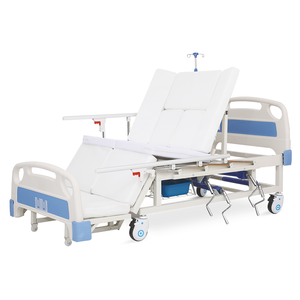
Rural Health Units (RHUs) and Barangay Health Stations across Visayas (Cebu, Iloilo, Leyte) and Mindanao (Davao, Zamboanga) frequently encounter unstable electrical supply. In these locations, hybrid electric delivery beds equipped with manual crank overrides or long-lasting lithium battery backup systems guarantee uninterrupted birthing procedures even during typhoon-induced power loss.
3. Private Birthing Homes & OB-GYN Clinics
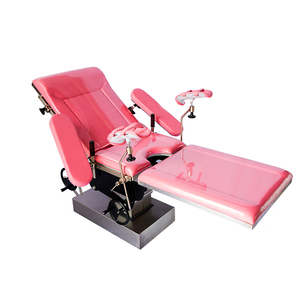
Private maternal clinics aiming for PhilHealth accreditation must meet strict space and safety guidelines. Compact-footprint electric delivery tables offering integrated leg crutches, collapsible armrests, soft upholstery, and multi-positioning provide an intimate, home-like birthing atmosphere while maintaining strict emergency clinical capabilities.
Philippine Market Dynamics & Procurement Trends (2025–2030)
The Philippine healthcare sector is witnessing several distinct trends in maternal furniture procurement:
- Single-Room LDRP Implementation: Leading private and government hospitals are adopting Labor-Delivery-Recovery-Postpartum (LDRP) models. This eliminates patient transfers between rooms, creating demand for versatile beds that transform from a comfortable ward bed into a full surgical delivery table.
- DOH Health Facilities Enhancement Program (HFEP) Compliance: Direct public sector bidding requires suppliers to provide CE, ISO 13485 certification, local warranty support, and readily available replacement parts within the country.
- Ergonomic Midwife Safety Standards: Occupational back injuries among Filipino nurses and midwives have accelerated the replacement of low-lying manual birthing tables with height-adjustable electric beds that lower to 500mm and raise to 950mm.
Frequently Asked Questions by Philippine Healthcare Buyers
Address common technical, regulatory, and logistics queries when importing or purchasing electric delivery beds in the Philippines:
Manufacturing Excellence & Global OEM Competence
As a global leader in hospital furniture and medical equipment manufacturing, our factory combines advanced robotic laser welding, automated powder-coating lines, and strict multi-stage quality control. We specialize in B2B supply agreements, tender support for government agencies, and custom engineering for distributors serving the Philippines and greater Southeast Asia.
Direct Factory Value
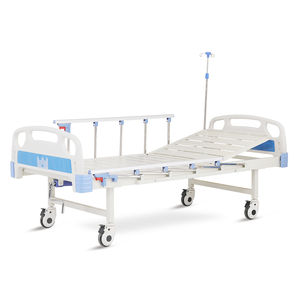
By eliminating middleman markups, healthcare facilities obtain hospital-grade electric delivery beds, manual nursing beds, and OB-GYN tables at direct-from-manufacturer prices, enabling budget optimization under DOH procurement frameworks.
Custom OEM & ODM Capability
We provide tailored branding, custom frame dimensions, specific actuator brands, color-coded ABS panels, and localized plug configurations tailored precisely to Philippine hospital bidding specifications.
Modernize Your Philippine Medical Facility Today
Request comprehensive technical spec sheets, wholesale B2B pricing catalogs, and container shipping quotes for electric delivery beds and hospital furniture.