
Featured Hospital Furniture & Patient Beds for Tokyo Procurement
Explore our export-grade medical beds and clinical examination equipment certified under CE and ISO 13485 standards. Engineered for hospital networks, long-term care facilities, and specialized clinics across the Greater Tokyo Area.
Navigating Tokyo’s Clinical Furniture Procurement & Compliance Framework
Tokyo stands as one of the world's most sophisticated healthcare hubs, featuring over 600 general hospitals, thousands of specialized outpatient clinics, and a rapidly expanding ecosystem of geriatric care facilities. Sourcing medical furniture for Tokyo’s clinical landscape requires a deep alignment with local architectural constraints, rigorous infection control protocols, and Japan's stringent medical device standards overseen by the Ministry of Health, Labour and Welfare (MHLW) and the Pharmaceuticals and Medical Devices Agency (PMDA).
1. Spatial Efficiency & Ergonomic Compactness in Metropolitan Hospitals
Unlike sprawling medical complexes found in North America or Western Europe, Tokyo urban hospitals—particularly those located in dense wards like Shinjuku, Chiyoda, and Minato—operate within strict architectural footprints. Clinical ward layout design prioritizes high patient throughput per square meter without compromising nursing workflow or patient comfort.
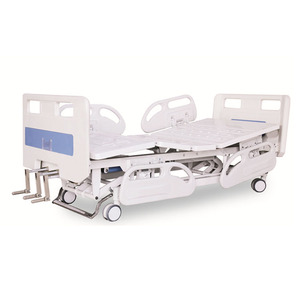
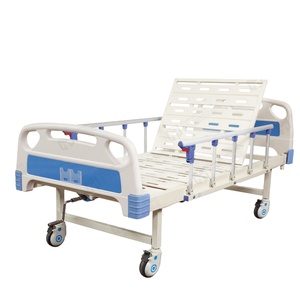
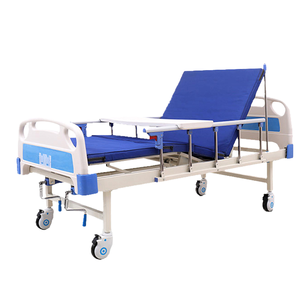
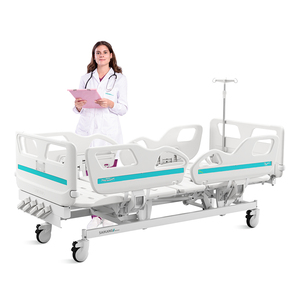
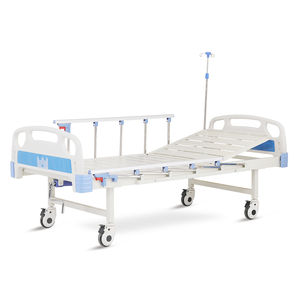
Our OEM/ODM manufacturing facility engineers manual and motorized hospital beds with optimized outer dimensions while retaining standard ergonomic mattress platforms. By reducing frame protrusion and integrating retractable folding side-rails (aluminum alloy or high-impact ABS), our beds offer superior maneuverability through narrow Tokyo hospital elevator banks, tight corridor turns, and compact multi-bed recovery wards.
2. Seismic Stability & Anti-Vibration Structural Integrity
Located within Greater Tokyo’s active seismic zone 4–5 hazard map, clinical environments require medical furniture engineered to withstand sudden lateral loads and micro-tremors. Structural features essential for Tokyo healthcare facilities include:
- Central Braking Systems & Dual-Lock Casters: High-grade 125mm dust-proof castors with simultaneous directional and total locking mechanics to prevent drift during seismic events.
- Reinforced Cold-Rolled Steel Frame Construction: 1.0mm to 1.5mm high-tensile steel tubing, robotically welded to ensure structural frame stability under maximum dynamic load capacity (up to 250 kg).
- Low Center of Gravity (CG) Base Chassis: Engineered base geometry preventing tip-over risks during high-frequency bed adjustments or emergency patient transfers.
Engineering Specifications: Manual vs. Electric Clinical Beds
Selecting the optimal bed configuration depends on clinical intensity, caregiver ratios, and facility budget allocation. Below is an expert breakdown of functional mechanics across our manufacturing lines.
| Functional Category | Manual 1 to 3 Crank Beds | 5-Function Hydraulic/Manual Beds | Motorized ICU Beds (Electric) |
|---|---|---|---|
| Primary Application | General Wards, Step-Down Units, Home Care | Specialized Rehabilitation & Trauma Care | Intensive Care Units (ICU), CCU, Surgical Recovery |
| Backrest & Leg Elevation | Independent Smooth Screw Cranks | Mechanical Crank + Hydraulic Lift System | Dual/Quad Motor Linear Actuators |
| Trendelenburg / Reverse | Manual Tilt (3-Crank Models) | Integrated Mechanical Hydraulic Tilt | Electric Touchpad / Nurse Control Panel |
| Side Rail Configuration | Collapsible Aluminum Alloy Rails | Full-Length Tuck-Away ABS Rails | 4-Piece Split ABS Rails with Angle Indicators |
| Infection Control Coating | Electrostatic Antimicrobial Powder Coating | Silver-Ion Epoxy Coating | Nanotech Anti-Bacterial Sealed Surfaces |
| Power Source / Override | Non-Electric Manual Drive | Manual Hydraulic Foot Pedal | 100V-240V Dual Voltage with Backup Battery |
Sanitary & Hygienic Compliance
All frame steel components undergo automated multi-stage degreasing, zinc phosphate pretreatment, and 200°C thermosetting epoxy-polyester powder coating, resisting chemical corrosion from hospital-grade disinfectants (sodium hypochlorite, isopropyl alcohol).
Precision Crank Dynamics
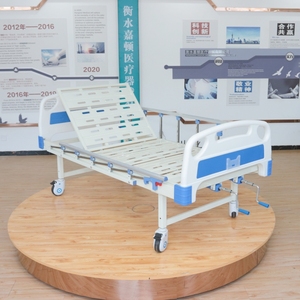
Our manual crank systems feature hidden foldable handles equipped with neutral gear idling protection. This eliminates mechanical strain, prevents accidental kick-back during patient adjustment, and guarantees smooth effort-free rotation for nursing staff.
Long-Life Mechanical Duty
Tested for over 10,000 continuous full-load cycles under strict ISO 9001 factory inspection protocols. Screw spindles are forged from self-lubricating alloy brass to minimize operational friction and eliminate squeaking noises in quiet recovery environments.
Local Field Applications & Macro Trends in Tokyo Healthcare
Understanding Tokyo’s demographic trajectory is vital for procurement strategy. With Japan boasting one of the world's highest proportions of citizens aged 65 and older, the healthcare delivery model in Tokyo is undergoing a rapid shift towards integrated care, sub-acute rehabilitation, and high-tech long-term care facilities.
Scenario A: Geriatric & Home Nursing Facilities (Kaigo Hoken Integration)
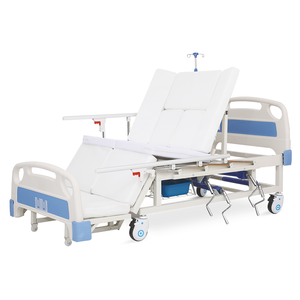
Tokyo’s nursing homes and residential elder care centers require beds that bridge clinical functionality with residential aesthetics. Models featuring side-turning mechanisms and integrated commode options (such as our Manual Nursing Bed With Side Turning & Commode) drastically diminish physical caregiver strain, lower the incidence of pressure ulcer formation (decubitus ulcers), and enhance patient dignity during extended stays.
Scenario B: Maternity & Specialized Obstetric Clinics
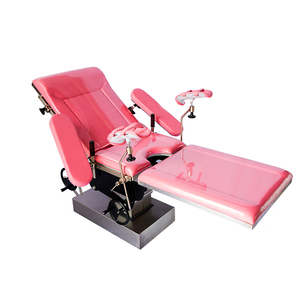
Private maternity hospitals located in premium residential areas of Tokyo (e.g., Setagaya, Ebisu, Roppongi) emphasize ergonomic birthing positions, fluid hydraulic movement, and patient safety. Our Multifunction Hydraulic Gynecological Examination Bed offers seamless transformation from examination mode to emergency birthing position, utilizing fluid-tight seamless upholstery and ergonomic leg crutches.
Tokyo Healthcare Furniture Procurement Trends (2025–2030)
1. Infection Control Revolution: Post-pandemic procurement guidelines mandated by Tokyo Metropolitan Government hospitals prioritize non-porous surfaces, removable head/footboards, and seamless molded ABS components that resist bacterial colonization.
2. Modularity & Maintenance Independence: Tokyo facilities are steering away from complex, single-source proprietary components. Procurement teams favor clinical beds built with modular replacement parts (swappable crank drives, detachable rails, standard caster mounts) to minimize downtime and avoid high local servicing costs.
3. Cost-Optimization via Direct Factory Sourcing: By engaging directly with international ISO/CE certified original equipment manufacturers, Tokyo hospital groups bypass domestic middleman markups—saving up to 35% on capital expenditure (CapEx) without compromising international medical standards.
Why Tokyo Healthcare Buyers Partner with Our Manufacturing Base
As an established global medical equipment manufacturer with over 25 years of industrial excellence, our enterprise supplies electric beds, manual beds, ICU stations, stretchers, and stainless steel clinical furniture to healthcare providers in 77+ countries worldwide. We combine precision engineering, massive production capacity, and reliable ocean/air logistics tailored to Japanese import protocols.
International Certification
Our complete clinical furniture portfolio is fully compliant with CE Medical Device Directive (MDD/MDR), ISO 9001 quality management systems, and ISO 13485 medical device manufacturing standards. Full technical documentation dossiers are provided for Japanese import customs clearance.
Factory-Direct Customization
We provide extensive OEM/ODM capabilities. From adjusting bed frame dimensions to match specific Tokyo ward specifications, to customizing powder-coat color accents, branding, and motor voltages (100V 50/60Hz for Eastern Japan power grids), we tailor products to your project specs.
Streamlined Logistics to Tokyo
Leveraging efficient export routes directly to Port of Tokyo and Yokohama Port, we provide standardized seaworthy packaging (reinforced multi-layer cartons or wooden crates), pre-shipment quality inspections, and complete bill of lading documentation for hassle-free freight clearance.
Frequently Asked Questions (FAQ) for Tokyo Medical Sourcing
Answers to common technical, regulatory, and logistics queries raised by clinical engineers and procurement executives in Japan.
Equip Your Tokyo Healthcare Facility with World-Class Clinical Furniture
Partner directly with an established international medical equipment manufacturer. Receive factory-direct pricing, custom engineering, and CE/ISO certified quality for your hospital or healthcare network.