
Featured Medical Carts & Hospital Equipment Systems
Precision-engineered medical furniture manufactured under strict ISO 13485 and CE standards for global healthcare procurement.
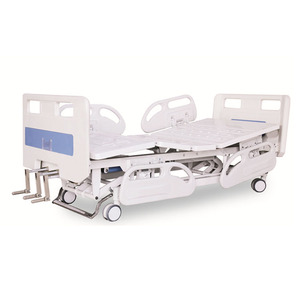
CH Medical Manual Hospital Bed Multi-Functional & Customizable 3-Crank Design
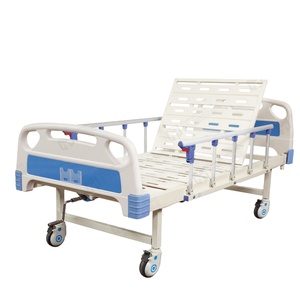
Manual 1 Crank Hospital Bed ABS Headboard Aluminum Alloy Side Rails Adjustable
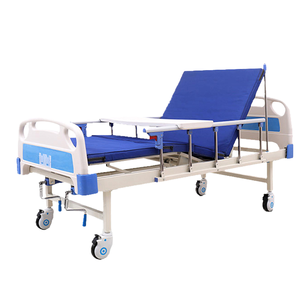
Factory Direct Supply Manual Two Cranks Metal Hospital Bed CE ISO Certified
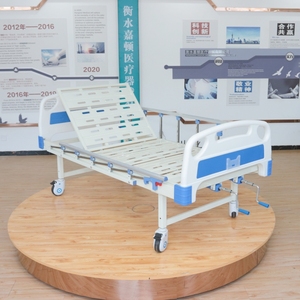
Cheap Price Medical Manual Bed 2 Crank Hospital Patient Care Bed System
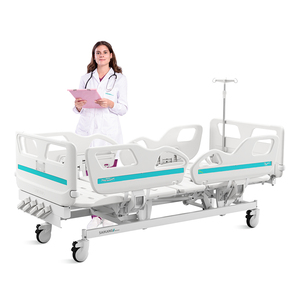
V4v Customizable Movable 5 Function Manual Medical Bed With Lifting System
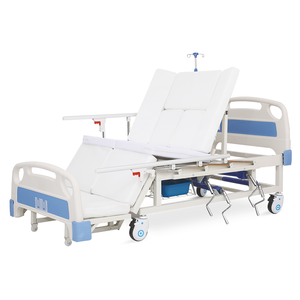
Manual Nursing Bed With Side Turning & Commode Home Care Patient Bed
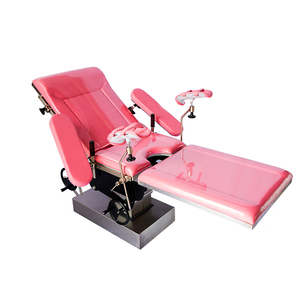
Multifunction Manual Bed Mechanical Hydraulic Gynecological Examination Bed
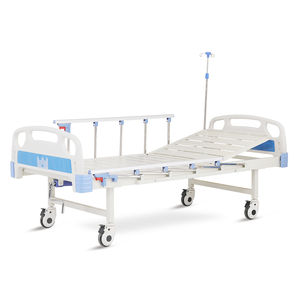
Manual Hospital Bed 1 Crank 1.0mm Steel Adjustable Nursing Bed With Stand
Navigating Modern Medical Cart & Clinical Trolley Manufacturing Standards
An authoritative evaluation guide for hospital procurement directors, biomedical engineers, and healthcare facility managers.
The Critical Role of Ergonomic Instrument Carts in Hospital Workflows
In high-intensity clinical environments such as Intensive Care Units (ICUs), Emergency Rooms (ER), and Operating Theaters (OR), medical instrument carts are far more than passive transport furniture. They constitute active clinical workstations designed to maintain sterile protocols, protect delicate diagnostic electronics, and provide instant access to life-saving instruments. Selecting leading instrument cart manufacturers requires evaluating material integrity, structural rigidity, anti-microbial surface properties, and mobility kinematics under dynamic payload conditions.
Material Science & Structural Integrity in Medical Furniture Manufacturing
Leading manufacturers utilize premium raw materials engineered to withstand rigorous daily chemical disinfection using chlorine-releasing agents, isopropyl alcohol, and quaternary ammonium compounds. Standard manufacturing specifications include:
- Stainless Steel Grade 304 / 316L: Essential for operating theater crash carts and surgical trays due to superior resistance against pitting corrosion and organic fluid exposure.
- High-Impact ABS & Polymer Blends: Lightweight thermoplastic materials used for drawer dividers, modular side bins, and contoured work surfaces that minimize overall cart tare weight.
- Extruded Aluminum Alloys: Powder-coated aircraft-grade aluminum provides high strength-to-weight ratios, ensuring effortless maneuverability during emergency patient transit.
- Bacterial Resistant Coatings: Silver-ion electrostatic powder coatings that inhibit bacterial colonization (ISO 22196 standard) on high-touch structural posts and push handles.
Why Erpomed Leads Global Medical Furniture Manufacturing
Headquartered in Turkey, Erpomed integrates end-to-end robotic fabrication with international healthcare compliance.
Certified Quality Assurance
Every instrument cart, manual hospital bed, and emergency stretcher complies with CE Directive 93/42/EEC, ISO 9001, ISO 13485, and FDA regulations.
Robotic Laser Fabrication
Utilizing 0.1mm tolerance laser steel cutting and automated robotic MIG/TIG welding ensures seamless structural joints, eliminating dirt traps for perfect infection control.
77+ Export Footprint
With decades of international logistics experience, we provide optimized knock-down or fully-assembled seaworthy packaging to hospitals across 6 continents.
Technical Comparison of Clinical Carts & Nursing Beds
Engineering specifications tailored to ward requirements, emergency care, and long-term care facilities.
| Product Classification | Primary Frame Material | Load Capacity | Mobility & Braking | Certification Standards |
|---|---|---|---|---|
| Emergency Crash Carts | 304 Stainless Steel & ABS Polymer | 180 kg Static / 120 kg Dynamic | 5-inch Anti-static Castors with Central Brake | ISO 13485, CE, EN 60601-1 |
| 3-Crank Manual Hospital Beds | 1.0–2.0mm Cold-Rolled Steel Frame | 250 kg Safe Working Load | Individual Diagonal Brakes / Central Pedal Option | CE, ISO 9001, FDA Listed |
| Gynecology & Exam Tables | Heavy-Duty Electrostatic Coated Steel | 200 kg Safe Working Load | Leveling Feet & Retractable Transport Wheels | CE, ISO 13485 Compliance |
| Anesthesia & Instrument Carts | Anodized Aluminum Column + Stainless Top | 150 kg Static Payload | 360-Degree Swivel Double-Wheel Castors | ISO 22196 Anti-Bacterial |
Future Procurement Trends in Medical Carts & Hospital Furniture (2025–2030)
As global healthcare systems shift toward digital integration, smart hospital infrastructure, and enhanced patient safety, the demand for medical carts and hospital furniture is undergoing a rapid technological evolution. Purchasing managers must look beyond unit costs and evaluate total cost of ownership (TCO), modular adaptability, and IoT readiness.
1. Integration of Smart Telemetry & Power Management
Modern instrument carts are transitioning into intelligent mobile computing nodes. Top manufacturers are embedding hot-swappable LiFePO4 (Lithium Iron Phosphate) battery modules that supply uninterrupted power to diagnostic laptops, electronic health record (EHR) monitors, and barcode scanners for over 14 hours of continuous nursing shifts. Smart battery management systems (BMS) with digital power telemetry now alert staff to charge cycles, reducing operational downtime.
2. Infection Prevention Through Seamless Ergonomic Design
Post-pandemic hospital design guidelines heavily prioritize micro-smooth, jointless surfaces. Traditional medical carts with exposed bolt threads, open drawer slides, and sharp angles are being replaced by blow-molded polymer worktop modules and internal drawer tracks. Flush-mounted handles and seamless stainless steel drawer units eliminate crevices where pathogens harbored, directly assisting hospitals in reducing Healthcare-Associated Infections (HAIs).
3. Modular OEM/ODM Customization for Specialized Departments
No two clinical departments maintain identical supply workflows. Forward-thinking manufacturers implement standardized aluminum extrusion posts with universal T-slot accessory tracks. This modular design allows hospital bio-engineers to convert a baseline utility cart into a specialized resuscitation, isolation, or phlebotomy workstation in minutes by attaching IV poles, sharps container brackets, oxygen tank holders, and biometric drawer locks without drilling or altering structural guarantees.
Next-Generation Product Development Benchmarks
How leading hospital bed and medical cart manufacturers are solving real-world nursing challenges.
Capacitive Power-Assist Wheels
Heavy emergency stretchers and crash carts are being equipped with motorized hub wheels activated by touch-sensitive push bars, preventing musculoskeletal strain for nursing staff during rapid transport.
RFID & Biometric Access
High-security medication carts now incorporate dual-factor RFID badge readers and fingerprint sensors with audit-trail logging software to prevent narcotic theft and ensure strict medication administration compliance.
Ultra-Quiet Mechanical Cranks
Manual hospital beds utilize precision internal gear ratios and self-lubricating nylon bushings, reducing adjustment noise below 35 dB to preserve patient circadian sleep rhythms during night shifts.
Frequently Asked Questions (FAQ) for Global Buyers
Essential answers regarding international medical cart procurement, customization, and factory compliance.
Q: What certifications are required when importing instrument carts into Europe & the US?
For European Union importation, products must carry the CE Mark under the Medical Device Regulation (MDR 2017/745) or relevant general product safety standards. Factories must hold ISO 13485:2016 certification. For North America, FDA registration and compliance with UL/IEC 60601-1 electrical safety standards (for motorized carts) are mandatory.
Q: How do manual crank hospital beds compare to electric beds in emergency settings?
Manual crank beds offer extreme reliability in regions with unstable power grids or field hospitals because their mechanical screw mechanisms operate independently of electricity. However, electric beds provide faster CPR emergency leveling and allow self-adjustment by patients, reducing caregiver workload in standard hospital wards.
Q: What custom OEM options can be provided for instrument cart orders?
Full OEM/ODM manufacturing capabilities include custom drawer configurations, specific RAL color powder coatings, laser-engraved hospital logos, custom caster sizing (3-inch, 4-inch, or 5-inch), electronic keyless locks, and pre-drilled accessory mounting rails customized for regional medical equipment models.
Q: How are bulk medical equipment orders packaged to prevent sea shipping damage?
Products undergo 5-layer heavy-duty corrugated export packaging with custom-molded polyethylene foam corner guards. Critical stainless steel surfaces are sealed with anti-scratch protective films. High-volume manual beds are frequently shipped in space-saving knock-down (CKD) crates to maximize 40ft High Cube container loads.
Q: What is the typical lead time for enterprise B2B hospital procurement orders?
Standard catalog orders typically ship within 15 to 25 business days from order confirmation. Customized OEM instrument carts or large hospital project orders (200+ units) generally require 30 to 45 days, depending on material specifications and factory production scheduling.
Q: What warranty and spare parts replacement policies apply to international shipments?
Erpomed provides a comprehensive 24-month factory warranty on structural welds, crank gear systems, and load-bearing frames. Replacement spare parts (castors, gas springs, plastic corners, drawer slides) are dispatched via express air freight with detailed technical maintenance videos for hospital biomedical engineering teams.