
High-Demand Medical & Infusion Recliners
Engineered for hemodialysis, oncology infusion, patient transfer, and long-term clinical comfort. Direct factory supply with CE & ISO certifications.
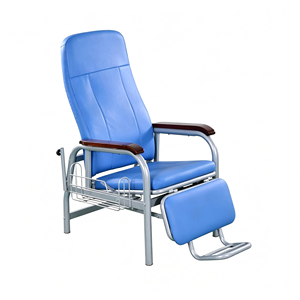
Infusion Chair Reclining Medical Patient Chair Light Blue with Adjustable Backrest Leg Rest and Footrest
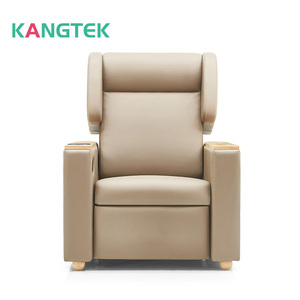
Modern Electric Adjustable Hospital Recliner Factory Price Infusion Chair IV Pole for Transfusion Clinic
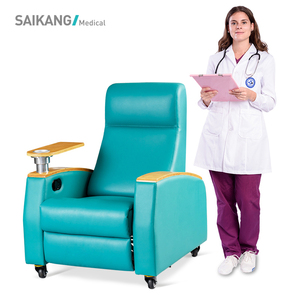
SKE087 Movable Hospital Foldable Medical Manual Reclining Chair with Central Lock Wheels
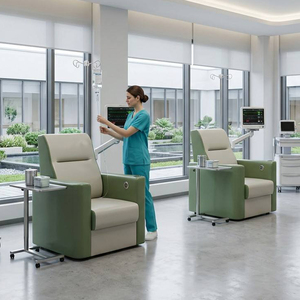
Infusion Chair Hospital Furniture Customizable Medical Dialysis Chair Patient IV Recliner
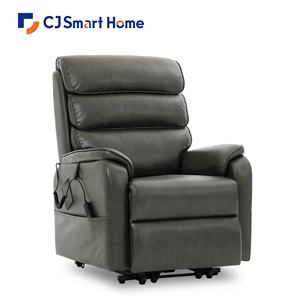
CJSmart Zero Wall Hugger Power Lift Recliner Chair With Massage & Space Saving Electric Lift
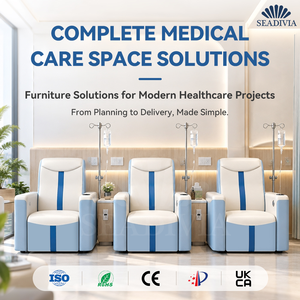
SEADIVIA Premium Medical Infusion Recliner Chair Electric Power Recliner Medical Grade
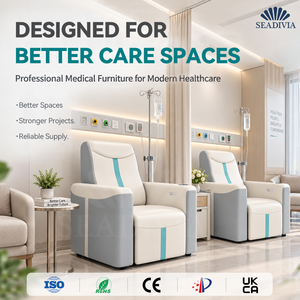
[OEM ODM] SEADIVIA Electric Power Infusion Therapy Recliner Chair Med Spa & Clinic Grade
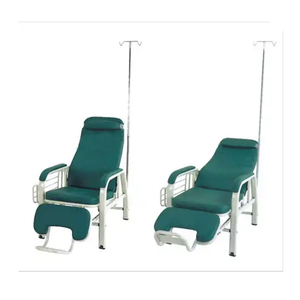
Hospital Reclining Chair for Patients YA-131 Ergonomic Patient Companion & Therapy Recliner
1. Global Executive Overview: The Architecture of Medical Recliner Engineering
Modern healthcare procurement has evolved far beyond basic hospital furniture acquisition. As outpatient therapies, day-surgery centers, hemodialysis units, and oncology infusion clinics expand rapidly worldwide, the demand for high-performance, clinically certified medical recliners has reached an all-time peak. Procurement officers, hospital engineers, and medical equipment distributors are tasked with securing seating systems that harmonize patient ergonomic comfort, clinical positioning flexibilities (such as immediate Trendelenburg tilt), infection control compliance, and structural durability.
A specialized medical recliner serves as an active clinical workspace. Unlike residential lift chairs or standard office furniture, hospital-grade recliners undergo stringent mechanical stress testing, electromagnetic compatibility assessments (for motorized variants), and rigorous chemical sanitization resistance evaluations. Leading manufacturing hubs, particularly CE-certified producers operating under European directives and international ISO standards, have established advanced production frameworks to meet these specialized requirements.
Core Procurement Insight: Evaluating a hospital recliner manufacturer requires scrutinizing structural integrity, linear actuator precision (Dewert Okin or Linak motors), flame-retardant anti-microbial upholstery, and zero-clearance wall-hugger mechanisms designed for restricted clinical floor spaces.
Whether equipping a high-volume chemotherapy center in Western Europe, a hemodialysis network in the Middle East, or a specialized medical facility in Latin America, establishing direct partnerships with qualified factories and exporters guarantees compliant supply chains, custom OEM modifications, and long-term spare-parts availability.
2. Strategic Evaluation Framework: Selecting Top Hospital Recliner Exporters
To assist hospital procurement teams and global B2B buyers in mitigating procurement risks, our biomedical engineering consultants have established a 5-pillar technical evaluation matrix for hospital recliner factories.
Structural Load & Frame Integrity
Heavy-gauge robotically welded Q235B steel frames coated with anti-bacterial electrostatic powder coating. Minimum safe working load (SWL) rating must exceed 200 kg to 250 kg for standard models and up to 350 kg for bariatric units.
Ergonomic Positioning & Actuators
Multi-motor electric articulation enabling independent adjustment of backrest, leg rest, and seat height. Integrated quick-release Trendelenburg emergency tilt systems are mandatory for acute infusion and dialysis complications.
Infection Control & Upholstery
Seamless, high-density molded foam encapsulated in medical-grade PU or PVC leather. Must demonstrate total resistance to MRSA, blood penetration, chlorine-based disinfectants, hydrolysis, and UV degradation.
Comparison Table: Manual vs. Motorized vs. Bariatric Recliners
Understanding the operational nuances between recliner classifications ensures appropriate budget allocation and clinical efficacy:
| Feature Parameter | Manual Reclining Chairs | Electric Power Recliners | Bariatric Infusion Chairs |
|---|---|---|---|
| Primary Application | General Wards, Blood Donation, Transfusion | Dialysis, Chemotherapy, Day Surgery | Specialized Bariatric & Intensive Care |
| Safe Working Load (SWL) | 150 kg – 180 kg | 200 kg – 250 kg | 300 kg – 400 kg |
| Actuation Method | Gas spring pedal / Manual lever mechanism | 2–4 Medical linear actuators (24V DC) | Heavy-duty dual linear actuators |
| Trendelenburg Function | Manual foot-pedal release | Electric pre-set button / Emergency lever | Power-assisted rapid tilt |
| Caster & Mobility System | 4 Individual lockable 100mm casters | Central braking system with direction lock | Heavy-duty 125mm dual-wheel casters |
| Customization Options | IV Pole, Side Tray, Headrest Pillows | Integrated heating, massage, USB, side tables | Wide-seat frame, reinforced armrests |
3. Future Procurement Trends: Next-Generation Medical Recliner Innovations
As healthcare systems undergo digital transformation and focus heavily on patient-centric care models, medical recliner technology is advancing rapidly. Global buyers should align their long-term supply chain strategies with these emerging technical shifts:
A. Smart IoT Integration & Patient Monitoring
Next-generation electric hospital recliners are incorporating IoT weight sensors and posture monitoring telemetry. These smart systems transmit patient vitals, seating duration, and movement frequency directly to central nursing stations, reducing the risk of pressure ulcers and enabling proactive nurse interventions during 6-to-8-hour dialysis or chemotherapy sessions.
B. Space-Saving "Zero-Wall" Kinematic Engineering
Hospital real estate is premium space. Traditional recliners require up to 40 cm of rear wall clearance to achieve full recline. Advanced zero-wall hugger mechanisms tilt forward during recline, requiring less than 10 cm of wall clearance. This allows healthcare facilities to maximize bed count per square meter while maintaining unhindered caregiver access pathways.
C. Modular Cleanability & Seamless Hygienic Design
Post-pandemic hospital-acquired infection (HAI) protocols demand recliners with removable, snap-on cushion modules and completely enclosed motor chassis. By eliminating exposed stitching, fabric seams, and open mechanical joints, sanitization teams can sanitize a recliner in under 3 minutes using UV-C or chemical misting systems.
D. Sustainable Eco-Friendly Manufacturing
Global exporters are increasingly evaluated on ESG (Environmental, Social, and Governance) compliance. Leading factories in Europe and export hubs utilize solvent-free PU leathers, 100% recyclable steel structural profiles, and energy-efficient powder-coating production lines to lower total carbon footprint across the product lifecycle.
4. Factory Strengths & Exporter Dominance: Why Partner With Certified Manufacturers
Sourcing hospital recliners directly from certified medical equipment manufacturers provides unmatched commercial and technical advantages over third-party trading intermediaries. Established factories operating under strict quality management systems deliver complete control over manufacturing quality, material selection, and regulatory compliance.
Proven 25+ Year Manufacturing Legacy
Decades of specialized production engineering in hospital beds, delivery tables, emergency stretchers, and medical chairs guarantee mature production processes and zero-defect quality control.
Full International Certifications
Every medical recliner is engineered to comply with CE Medical Device Regulation (MDR), ISO 9001 quality management, ISO 13485 medical device standards, and EN 60601 electrical safety requirements.
Comprehensive OEM & ODM Customization
From custom frame dimensions, upholstery color-matching, logo embossing, and voltage adaptation (110V/220V) to specialized accessory integration (meal trays, paper roll holders, IV poles).
Global Supply Chain Resilience: Exporting to 77+ countries worldwide, certified factory exporters provide professional ocean/air freight packaging, wood-crate protection, knock-down (CKD/SKD) container optimization, and complete customs clearance documentation (Certificate of Origin, Free Sale Certificate, Bill of Lading).
5. Comprehensive B2B Procurement FAQ
Direct answers to critical technical, commercial, and regulatory questions asked by international hospital procurement teams and medical equipment importers.