
Featured Patient Transfer Stretchers & Medical Furniture
Certified patient transport equipment designed for high-intensity clinical workflows, emergency transfer stability, and ergonomic caregiver assistance.
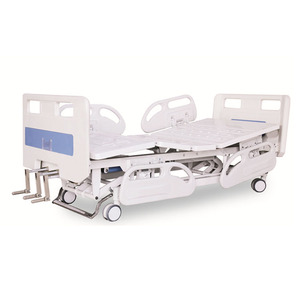
CH Medical Manual Hospital Bed Multi-Functional and Customizable 3-Crank Design for Home Care or Hospital Use Factory Price
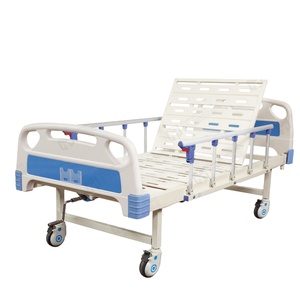
Manual 1 Crank Hospital Bed ABS Headboard Aluminum Alloy Side Rails Adjustable Backrest Single Function Patient Bed
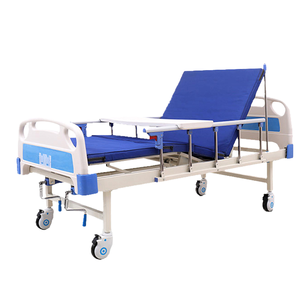
Factory Direct Supply Manual Two Cranks Metal Hospital Bed with Back Rest and Leg Lift CE ISO Certified for Disabled Use
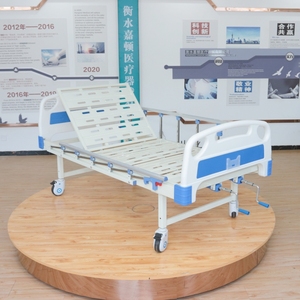
Cheap Price Medical Manual Bed 2 Crank Hospital Patient Care Bed Manual Hospital Bed
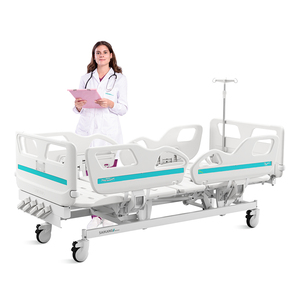
V4v Customizable Movable 5 Function Manual Medical Hospital Bed With Lifting System
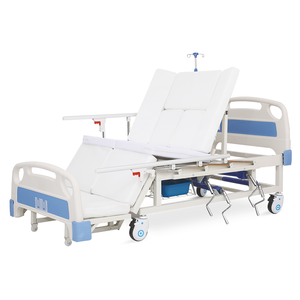
Manual Nursing Bed With Side Turning And Commode Home Care Hospital Patient Bed Adjustable Back Leg Lifting For Elderly
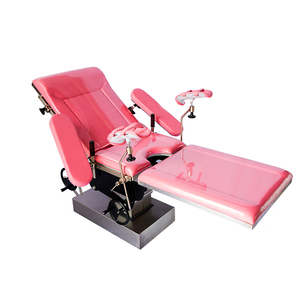
Multifunction Manual Bed Mechanical Hydraulic Gynecological Examination Bed
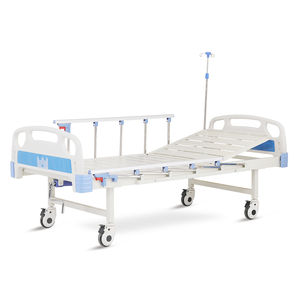
Manual Hospital Bed 1 Crank 1.0mm Steel One Function Adjustable Nursing Bed With Mattress Table Board Infusion Stand CE
Evaluating China Patient Stretcher Manufacturers: Technical Standards & Sourcing Benchmark
In the global healthcare supply chain, selecting qualified China patient stretcher manufacturers requires a rigorous methodology that transcends basic price comparison. Patient transfer stretchers, emergency trolleys, and manual medical beds serve as critical operational infrastructure within Emergency Departments (ED), Intensive Care Units (ICU), operating rooms, and long-term rehabilitation wards. Procurement officers, hospital engineers, and medical equipment distributors must evaluate suppliers against strict clinical safety guidelines, mechanical longevity protocols, and internationally recognized regulatory frameworks such as CE Marking (MDR 2017/745), ISO 13485 quality management systems, and IEC 60601-2-52 safety specifications for medical beds.
Direct factory audits in leading Chinese manufacturing clusters (such as Jiangsu, Zhejiang, and Guangdong) reveal that premium manufacturers utilize automated robotic MIG welding, high-durability electrostatic powder coating processes, and hydraulic systems sourced from certified international supply chains. Assessing structural chassis integrity, central braking reliability, and frame anti-corrosion treatments prevents premature mechanical failure during critical patient transfers.
Core Engineering Standards for Hospital Transfer Stretchers
A clinical patient transfer trolley is engineered to perform seamlessly under severe mechanical stress. When auditing manufacturing facilities, technical procurement committees must evaluate five core engineering parameters:
1. Frame Mechanics & SWL
Chassis construction must feature heavy-gauge cold-rolled carbon steel tubes (ST37/Q235B) or high-tensile extruded aluminum alloy. A minimal Safe Working Load (SWL) of 220 kg to 250 kg guarantees structural stability without frame deflection during rapid transfers.
2. Hydraulic Actuation Systems
Dual hydraulic cylinder systems (such as Power-Pack or specialized domestic hydraulic pumps) provide independent height adjustment, Trendelenburg, and Reverse-Trendelenburg tilt angles (typically 0° to 18°), essential for shock management.
3. Mobility & Brake Control
High-grade stretchers utilize 150mm to 200mm dust-proof, anti-static medical casters equipped with a centralized directional and total braking pedal system. A retractable fifth-wheel steering mechanism optimizes maneuverability in narrow corridors.
Technical Specification & Material Comparison Matrix
Direct comparative metrics for evaluating patient stretchers and manual hospital bed structural components.
| Evaluation Parameter | Standard Specification (Entry Level) | Premium Specification (Clinical Grade) | Impact on Clinical Workflow & Maintenance |
|---|---|---|---|
| Frame Material | 1.0mm - 1.2mm Q195 Cold-Rolled Steel | 1.5mm - 2.0mm High-Tensile Q235B / Aluminum Alloy | Prevents permanent frame warping; extends operational lifespan beyond 8 years under heavy load. |
| Surface Finishing | Standard Liquid Painting | Electrostatic Epoxy Powder Coating (Phosphate Treated) | Resists medical-grade chemical disinfectants (bleach, alcohol, hydrogen peroxide) without peeling. |
| Side Rail Safety | Foldable 4-Bar Aluminum Rail | Full-Length Collapsible ABS/Aluminum Tuck-Away Rails | Zero-gap design eliminates patient entrapment risks following ISO 60601-2-52 anti-pinch directives. |
| Backrest Adjustment | Single Mechanical Ratchet / Manual Crank | Gas Spring Assisted Actuation (0° to 75°) | Allows single-caregiver effort-free patient positioning during emergency resuscitative procedures. |
| Radiolucency (X-Ray) | Non-Translucent Steel Sheet Deck | Full-Length HPL (High-Pressure Laminate) Radiolucent Deck | Enables full-body C-arm imaging and emergency X-ray diagnostic without transferring unstable patients. |
Future Procurement Trends in China Patient Stretcher Manufacturing
The international medical equipment landscape is shifting rapidly towards integrated smart features, lightweight structural engineering, and sustainable manufacturing practices. Procurement managers sourcing from Chinese factories should align their long-term equipment roadmaps with four major technological trends:
1. Smart Weight Telemetry & Monitoring
Modern emergency stretchers are increasingly fitted with integrated digital scale systems, wireless data transfer interfaces, and angle-monitoring sensors. Real-time patient weight tracking enables instant dosage calculations during emergency admissions without moving trauma victims.
2. Power-Assisted Electric Drive Systems
To reduce caregiver strain and occupational spinal injuries, top China patient stretcher manufacturers are integrating motorized drive wheels controlled via intuitive handlebar sensors. Battery-powered assistance facilitates effortless navigation across sloped ramps and high-resistance floor surfaces.
3. Antimicrobial Polymer Coatings
Infection control remains paramount. Next-generation patient beds and transfer trolleys feature silver-ion (Ag+) infused anti-bacterial ABS plastic components and seamless mattress seams that actively inhibit surface pathogen colonization, supporting stringent hospital hygiene standards.
Strategic Manufacturer Selection & Quality Audit Checklist
When partnering with a China patient stretcher manufacturer, global distributors must conduct thorough factory audits to verify production capability, quality assurance mechanisms, and post-sale technical support. Use the following criteria during your vendor evaluation process:
-
✓Automated Production Infrastructure: Confirm the presence of CNC laser cutting machinery, robotic welding arms, and automated tubing bending equipment. Precision fabrication guarantees part interchangeable consistency across high-volume container shipments.
-
✓Static & Dynamic Load Testing Protocols: Ensure the factory performs 100% load testing on every batch. A standard test applies 1.5 times the rated Safe Working Load (SWL) for 24 hours to inspect weld joint integrity and hydraulic seal resilience.
-
✓Regulatory Documentation & Traceability: Verify ISO 13485 certification, CE Declaration of Conformity under EU MDR, and FDA registration documents. Each batch must possess detailed material test reports (MTR) for steel traceability.
-
✓Modular OEM/ODM Customization Capabilities: Premium manufacturers offer customized mattress dimensions, personalized side-rail branding, color-coded ABS covers, and regional voltage/plug adaptations for electric models.
Need Custom Hospital Stretcher & Medical Furniture Quotes?
Connect with our expert engineering team to request factory-direct wholesale pricing, OEM technical drawings, and compliance certification packages.
Frequently Asked Questions (FAQ) for Global Buyers
Q1: What are the critical compliance certifications required when importing patient stretchers from China?
Importers must verify that the manufacturer holds an ISO 13485 Medical Device Quality Management certification. For European markets, products must comply with EU MDR 2017/745 carrying CE certification. For North America, FDA Class I registration is mandatory. Additionally, electrical and hydraulic stretchers should adhere to IEC 60601-1 and IEC 60601-2-52 electrical safety standards.
Q2: What is the difference between hydraulic patient stretchers and manual crank patient beds?
Hydraulic patient stretchers utilize closed hydraulic cylinder pumps controlled via foot pedals to smoothly adjust height, Trendelenburg, and tilt angles without manual strain. Manual crank hospital beds rely on mechanical lead screws operated by hand cranks for backrest and knee-rest adjustments. Hydraulic stretchers are prioritized for emergency transport and acute clinical care, while manual crank beds offer cost-effective solutions for general wards and home care environments.
Q3: How do manufacturers calculate and test the Safe Working Load (SWL)?
Safe Working Load (SWL) includes the total weight of the patient plus accessories (mattress, IV poles, oxygen cylinders). Manufacturers test SWL by placing static weights equal to 1.5 times the rated capacity (e.g., 375 kg for a 250 kg rated stretcher) on the deck for 24 hours to ensure zero structural deformation or hydraulic leakage. Dynamic fatigue testing is also conducted by cycling mechanisms under full load thousands of times.
Q4: Can China patient stretcher manufacturers provide custom branding and OEM solutions?
Yes, professional manufacturers support extensive OEM/ODM options. These include silk-screening company logos on ABS head/footboards, custom frame powder-coating colors, customized side-rail dimensions, tailored mattress density specifications, and multi-language instruction manuals and packaging.
Q5: What types of casters are recommended for emergency patient transfer stretchers?
Emergency stretchers require high-performance 150mm or 200mm polyurethane (PU) or thermoplastic rubber (TPR) casters featuring precision ball bearings, anti-winding thread guards, and anti-static properties. Central braking systems with a steer-directional pedal are strongly recommended to allow quick locking and effortless single-operator straight-line steering.
Q6: What is the standard production lead time for bulk container orders?
Standard manufacturing lead times for a 20ft or 40ft High Cube container (typically containing 80 to 220 units depending on knockdown or fully assembled packaging) range between 20 to 35 days. Custom OEM modifications or specialized hydraulic component sourcing may extend lead times by 7 to 10 days.
Q7: How are patient stretchers packaged to prevent sea-freight transit damage?
Stretchers and medical beds are wrapped in moisture-proof polyethylene film, protected with high-density EPE foam corner guards, and packed inside 7-ply heavy-duty corrugated export cartons or reinforced plywood crates. Components like side rails and headboards are dismounted in space-saving knock-down (KD) configurations to optimize container loading volume.
Q8: What warranty and technical support services are provided post-purchase?
Reputable Chinese manufacturers supply a standard 2-year to 5-year structural frame warranty and a 1-year to 2-year warranty on hydraulic pumps, gas springs, and electrical motors. Free spare parts (such as casters, side-rail latches, and cranks) are typically included in bulk container shipments for immediate maintenance replacement.
Q9: Are X-ray translucent bed decks standard on emergency transfer stretchers?
X-ray translucency is available as a specialized upgrade feature. Emergency transfer stretchers engineered for trauma centers incorporate a radiolucent High-Pressure Laminate (HPL) or acrylic bed surface along with a full-length X-ray cassette sliding track underneath the deck.
Q10: How do I initiate a factory audit or sample order?
Buyers can contact our sales engineering department via the inquiry button to request technical specification sheets, factory audit reports (VTR), and sample unit proforma invoices. Sample production is typically dispatched within 7 to 14 days via air freight or LCL sea freight.
Ready to Source High-Quality Patient Stretchers from China?
Contact our global medical equipment export team today for comprehensive catalogs, instant price quotes, and custom manufacturing consultation.