
Direct-Factory ICU & Hospital Bed Catalog
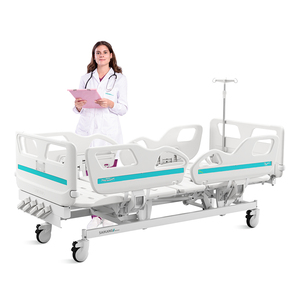
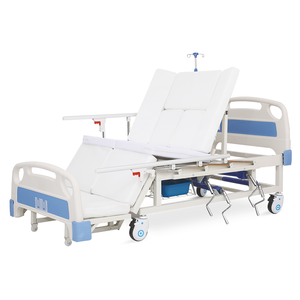
Explore our certified manual, hydraulic, and multi-functional electric hospital bed systems designed for intensive care units, home care, and clinical wards.
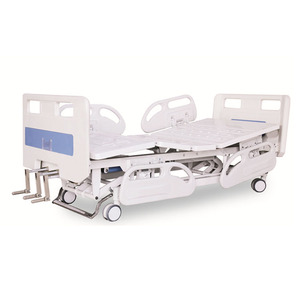
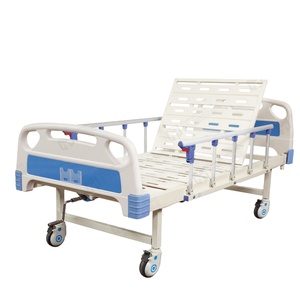
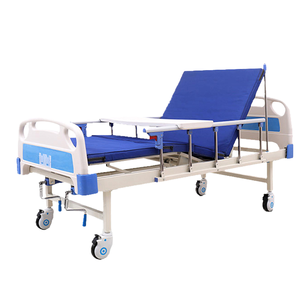
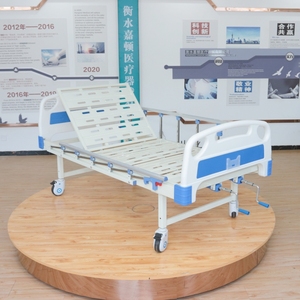
Executive Summary: China's Strategic Role in ICU Infrastructure Manufacturing
In modern critical care environments, Intensive Care Unit (ICU) beds serve as the vital operational interface between advanced clinical diagnostics, patient monitoring, and emergency intervention. The global healthcare sector has experienced a profound shift toward high-acuity, ergonomic, and digitally connected ICU bed systems. China has established itself as the world’s premier manufacturing hub for advanced medical furniture and critical care devices, integrating precision robotics, biomedical engineering, and scaled supply chain efficiencies.
This industry whitepaper provides medical procurement managers, hospital directors, and biomedical equipment distributors with a technical, procurement-focused analysis of China's leading ICU bed manufacturing landscape. By analyzing structural engineering protocols, IEC 60601 electrical safety compliance, actuator integration, and smart telemetry trends, this guide provides actionable intelligence for high-value medical procurement decisions.
1. Technical Engineering Standards for Clinical-Grade ICU Beds
A true clinical ICU bed is vastly different from standard ward or long-term nursing beds. ICU beds must support continuous vital sign monitoring, mechanical ventilation, rapid cardiopulmonary resuscitation (CPR), dynamic patient positioning, and radiotranslucent imaging without interrupting critical care routines. Leading Chinese factories engineering top-tier ICU beds adhere strictly to international biomedical standards, such as ISO 13485 quality management and IEC/EN 60601-2-52 safety specifications for medical beds.
Structural Frame & Load Engineering
Fabricated using cold-rolled robotically-welded steel tubing with electrostatic anti-bacterial powder coatings. Safe Working Loads (SWL) range from 250kg up to 350kg for bariatric critical care applications.
Actuation & Motor Control Systems
Equipped with IPX4 or IPX6 waterproof linear actuators (e.g., Linak or TiMotion systems), enabling smooth 4-motor to 5-motor adjustments including Trendelenburg, Reverse Trendelenburg, and Fowler positions.
Radiotranslucency & Imaging Integration
Features full-length Phenolic/HPL X-ray translucent backrests with integrated cassette slots, allowing seamless mobile C-arm fluoroscopy and bedside chest X-rays without moving critically ill patients.
Key Technical Takeaway: Mandatory Features in Modern ICU Procurement
Hospital procurement specifications should mandate dual-side manual and electrical CPR quick-release functions, central braking systems with directional locking casters, embedded side-rail control panels with caregiver lockouts, and integrated digital weighing scales accurate to 0.05 kg for fluid retention tracking.
2. Structural Comparison Matrix: Manual vs. Electric ICU Bed Platforms
Understanding the functional split between manual crank beds and multi-motor electric ICU platforms is critical for optimizing facility budgets while meeting clinical requirements. Below is an engineering comparison matrix designed for technical evaluation teams.
| Functional Parameter | 1-Crank / 2-Crank Manual Bed | 3-Crank / 5-Function Manual Bed | 4-Motor Smart Electric ICU Bed |
|---|---|---|---|
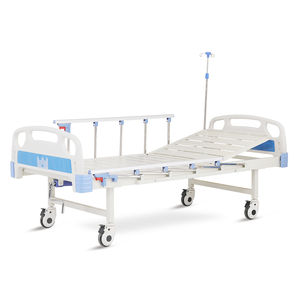
| Primary Target Ward | General Ward / Home Care | Sub-Acuity / Emergency Unit | Intensive Care Unit (ICU / CCU) |
| Positional Adaptability | Backrest & Leg-rest adjustment | Backrest, Leg-rest & Height Elevation | Full Electric: Trendelenburg/Rev-Trend, Cardiac Chair, Height, Auto-Regression |
| CPR Emergency Release | Manual crank reset (Slow) | Manual crank reset (Slow) | Dual-side Instant Mechanical & Electrical CPR Release |
| Side-Rail Safety System | Collapsible Aluminum Alloy Rails | Tuck-away ABS Split Side-Rails | 4-Piece Seamless ABS Rails with Angle Indicators & Built-in Controls |
| Caster & Braking Mechanism | Individual Pedal Brakes (125mm) | Individual / Central Brake (125mm) | Central Dual-Wheel Locking Casters (150mm) with Steering Lock |
| Radiographic Capability | Not Supported | Optional Backrest Slot | Full HPL Radiotranslucent Deck with X-ray Cassette Tunnel |
| Load Capacity (SWL) | 175 kg - 200 kg | 220 kg | 250 kg - 300 kg (Bariatric option available) |
3. Product Development & Technological Trends (2025–2030)
The manufacturing landscape for hospital furniture in China is evolving from traditional mechanical fabrication to smart biomedical system integration. Driving forces include IoT patient monitoring, automated infection control, and ergonomic caregiver assistance.
A. Smart ICU & IoT Telemetry Integration
Next-generation electric ICU beds manufactured by leading OEMs in China are equipped with strain-gauge load cells embedded directly into the mattress platform frame. These sensors provide real-time patient weight readings to hospital Information Systems (HIS) via Wi-Fi or Ethernet interfaces. Furthermore, non-contact piezoresistive sensor mats placed under mattresses continuously monitor patient heart rates, respiratory cadence, and bedside movement patterns—alerting nursing stations to potential bed falls or pressure ulcer risks before critical incidents occur.
B. Ergonomic Auto-Regression Deck Engineering
When adjusting traditional bed backrests, friction between the mattress and the patient's skin causes shearing forces—a primary cause of pressure ulcers (bedsores). Advanced Chinese ICU bed designs incorporate dual-auto regression mechanisms. As the backrest elevates up to 75°, it simultaneously translates backward by 10 to 12 centimeters, expanding the pelvic seating zone, reducing sacral pressure, and enhancing patient comfort during long ventilator stays.
C. Antimicrobial Materials & Infection Control Architecture
Hospital-acquired infections (HAIs) represent a major cost and clinical challenge. Modern factories utilize blow-molded High-Density Polyethylene (HDPE) and ABS plastics treated with inorganic silver-ion antimicrobial additives directly integrated into the polymer matrix. These seamless, removable headboards, footboards, and side rails resist harsh chemical disinfection (including chlorine dioxide and hydrogen peroxide vapors) without degrading, cracking, or discoloring over years of intensive clinical use.
Why Top Global Buyers Partner with Chinese ICU Bed Factories
Direct sourcing from established OEM factories in China provides significant competitive, technical, and commercial advantages for international healthcare procurement.
From raw steel laser cutting and robotic welding to automated powder coating and final assembly, vertical integration ensures strict quality control at lower production costs.
Modifiable frame dimensions, color coding, customized branding, actuator brands (Linak, TiMotion, Jiechang), and multi-lingual control keypads tailored to regional markets.
Top tier factories possess full CE marking under EU MDR (Medical Device Regulation 2017/745), US FDA 510(k) clearances, and ISO 13485 quality system certification.
Engineered SKD (Semi-Knocked-Down) and CKD (Completely Knocked-Down) packaging options maximize 40HQ container load yields by up to 140%, lowering ocean freight costs.
4. Future Global Procurement Trends for Hospital Beds
Healthcare procurement strategies are transitioning from simple initial purchase cost evaluations to Total Cost of Ownership (TCO) models. Institutional buyers now assess maintenance overhead, availability of spare parts, modular component standardization, and long-term energy efficiency.
A. Total Cost of Ownership (TCO) & Modular Servicing
Leading hospital groups evaluate ICU bed investments over a 10-to-15-year lifecycle. Key parameters include actuator MTBF (Mean Time Between Failures), modular control box replacement efficiency, and standardized caster replacement parts. Advanced OEM factories design modular electrical assemblies featuring plug-and-play wiring harnesses. If a motor controller or handset experiences a fault, ward technicians can replace individual components in under 10 minutes without taking the bed out of service for extended periods.
B. Environmental, Social, and Governance (ESG) Standards
Sustainability is becoming a core criteria in public healthcare tenders across Europe, North America, and Australia. Forward-thinking manufacturers are implementing green production practices:
- Solvent-Free Coating: Utilization of 100% non-VOC volatile organic compound electrostatic powder coatings.
- Recyclable Polymers: Standardizing on fully recyclable PP and ABS plastic components with marked resin identification codes.
- Lean Power Supplies: Integrating ultra-low standby power switch-mode transformers (<0.5W standby power consumption) to lower hospital facility energy usage.
5. Quality Assurance & Factory Auditing Protocols for Buyers
When conducting supplier audits or commissioning third-party inspections (such as SGS, TÜV, or Intertek) at Chinese medical equipment factories, procurement teams should mandate compliance with four essential testing protocols:
- Dynamic Load & Mechanical Endurance Testing: Testing the bed platform under 1.5x Safe Working Load for over 10,000 continuous elevation cycles to verify structural integrity and weld durability.
- IPX6 Liquid Ingress Verification: Subjecting motorized drive assemblies and junction boxes to pressurized water spray to ensure safe washing and disinfection routines without electrical short circuits.
- Dielectric Voltage Withstand & Earth Leakage Tests: Electrical safety testing in accordance with IEC 60601-1 standards to prevent micro-shocks to catheterized ICU patients.
- Side-Rail Entrapment Risk Evaluation: Measuring gaps between side-rail segments, headboards, and mattress frames using standardized probes to eliminate patient head or limb entrapment hazards.
Frequently Asked Questions (FAQ)
Expert guidance on procurement, custom OEM manufacturing, international certifications, and global shipping for hospital buyers.
Partner with China's Leading Medical Bed Manufacturer
Whether you are outfitting a new multi-specialty ICU ward, bidding on public healthcare tenders, or sourcing high-volume OEM hospital furniture, our engineering team provides direct factory pricing, technical compliance support, and global export services.