
Featured Medical & Tilting Bed Series
Direct Factory Supply | Private Label OEM & ODM Available
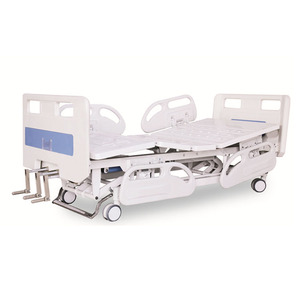
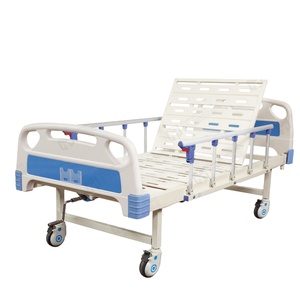
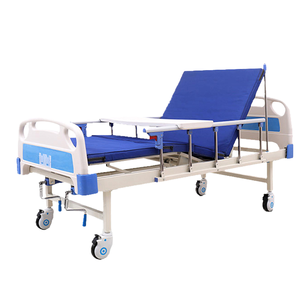
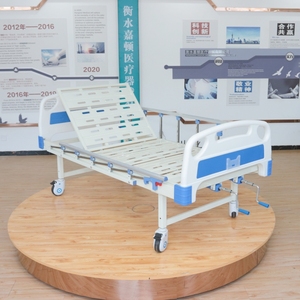
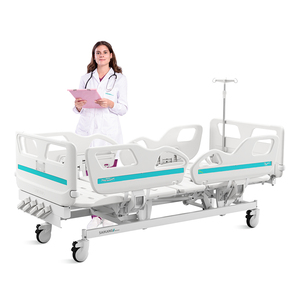
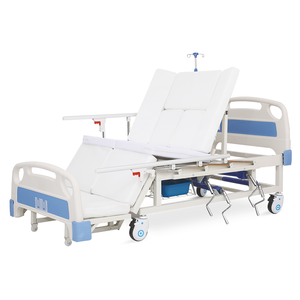
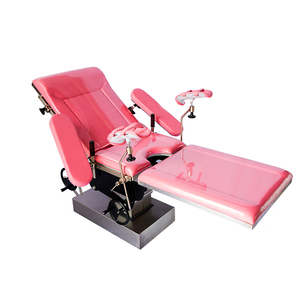
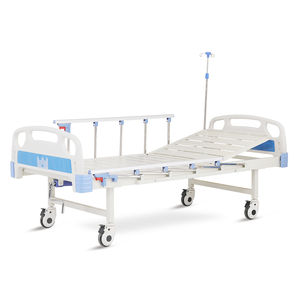
Executive Overview: Strategic Procurement of Custom OEM Medical Tilting Beds
In modern clinical, neurological, and post-operative rehabilitation environments, custom OEM tilting beds represent a pivotal intersection of biomedical engineering, ergonomic movement control, and intensive patient care. Designed to facilitate progressive verticalization, postural drainage, cardiac positioning, and zero-gravity weight redistribution, tilting beds—ranging from manual multi-crank designs to sophisticated 4-motor linear actuator ICU systems—are fundamental assets for medical procurement directors, healthcare facility developers, and international medical supply distributors.
As a leading hospital furniture manufacturer rooted in deep industrial expertise (headquartered in Turkey's premier manufacturing ecosystem in Gaziantep), Erpomed operates as a fully integrated OEM/ODM supplier servicing over 77 nations. Operating under rigorous adherence to ISO 9001:2015, ISO 13485:2016, and European CE Mark (MDR) standards, our engineering architecture addresses the exact structural, kinetic, and hygiene requirements demanded by tier-1 healthcare facilities.
Core Information Gain Insight: Unlike standard static hospital frame beds, dynamic medical tilting beds require specialized kinetic load distribution modeling. When a patient bed tilts from 0° horizontal to an 85° vertical tilt, gravitational shear forces shift entirely onto the lower frame assemblies, footrest anchor points, and lateral safety harnesses. OEM manufacturing must prioritize reinforced structural tubing (cold-rolled steel Q235B minimum 1.5mm to 2.0mm thickness) paired with high-torque, noise-free linear actuators rated for Safe Working Loads (SWL) up to 250 kg (550 lbs) or 400 kg for bariatric tilting platforms.
Enterprise Manufacturing Advantages & Custom OEM/ODM Capabilities
Partnering with a direct OEM manufacturer eliminates intermediary margins while ensuring custom fabrication tailored precisely to regional regulatory frameworks (such as US FDA, EU CE, or Middle Eastern SFDA guidelines). Our state-of-the-art facility utilizes high-precision laser cutting, automated robotic welding, and specialized electrostatic powder coating lines to deliver superior structural integrity and antimicrobial surface protection.
Custom Mechanical & Structural OEM
Full customization of frame dimensions, gauge steel thickness (1.0mm - 2.0mm), tube profiles, backrest tilt angles (0° to 75°), knee-break elevation (0° to 45°), and vertical tilt mechanisms (Trendelenburg & Reverse Trendelenburg ±15° to vertical 85° tilt tables).
Electrical & Drive System Integration
Flexible component selection including premium LINAK®, DewertOkin®, or TiMotion® medical-grade actuators, IPX4/IPX6 waterproof control boxes, backup battery systems, CPR quick-release levers, and ergonomic hand-held or rail-integrated nurse controllers.
Antimicrobial Surface Coating
All steel components undergo multi-stage automatic phosphate wash treatments followed by electrostatic powder coating with silver-ion embedded antimicrobial epoxy polyester, capable of withstanding harsh hospital disinfectant protocols without degradation.
Whether your procurement portfolio requires budget-conscious, durable 1-crank or 2-crank manual tilting beds for homecare networks or high-spec 4-motor ICU tilt tables equipped with integrated digital weight scales, our factory offers low Minimum Order Quantities (MOQ), custom color choices for ABS head/footboards, custom side-rail configurations (aluminum collapsible or tuck-away 4-piece ABS side rails), and specialized packaging for high-density ocean freight shipping.
Technical Specifications: Standard vs. OEM Customized Tilting Beds
To assist hospital procurement teams and B2B buyers in selecting the appropriate mechanical and electrical profiles, the table below outlines the core baseline specifications and OEM customization parameters available through our factory:
| Technical Parameter | Standard Manual Tilting Bed | Electric 3/4-Motor ICU Tilting Bed | Custom OEM / ODM Options |
|---|---|---|---|
| Primary Drive System | Manual Crank (Foldable Stainless Gears) | Electric Linear Actuators (IPX6) | Custom Hydraulic, Pneumatic, or Hybrid Drive |
| Tilt Angle Range | Backrest (0-75°), Leg (0-40°) | Trendelenburg / Reverse (±16°), Vertical Tilt (0-85°) | Extended vertical therapy tilt with angle indicators |
| Safe Working Load (SWL) | 175 kg (385 lbs) | 250 kg (550 lbs) | Bariatric Heavy-Duty up to 400 kg (880 lbs) |
| Frame Construction | 1.0mm - 1.2mm Cold-Rolled Steel | 1.5mm - 2.0mm Structural Q235B Steel Tube | 304 Stainless Steel or Reinforced Alloy Frame |
| Side Rail Options | Collapsible Aluminum Alloy Rails | 4-Piece Drop-Down ABS Rails with Controls | Custom height, lock mechanism, or mesh padding |
| Caster & Braking System | 5" Swivel Casters with Individual Locks | 5" or 6" Central Braking System with Directional Lock | Twin-wheel anti-static hospital casters |
| Compliance Standards | CE, ISO 9001 | CE, ISO 13485, EN 60601-2-52 | US FDA 510(k) prep, UL60601 electrical standards |
Future Procurement Trends in Hospital Tilting Beds & Ergonomic Furniture
The global medical furniture market is undergoing a seismic transformation driven by aging demographics, rising demand for early-mobilization therapies in ICUs, and strict occupational safety mandates preventing caregiver spinal injuries. Understanding these emerging trends allows hospital chains and distributors to future-proof their capital expenditure:
1. Integration of Smart Sensors & IoT Telemetry
Next-generation tilting beds are evolving into data-gathering platforms. Modern hospital procurement requests increasingly specify continuous patient weight tracking, out-of-bed pressure monitoring, tilt angle recording (for protocol logging in physical therapy), and real-time posture telemetry integrated with hospital Electronic Health Record (EHR) systems.
2. Early Verticalization & Neurological Tilt Therapy
Clinical studies prove that early verticalization of bedridden ICU patients prevents orthostatic hypotension, reduces pulmonary complications, and accelerates neurological rehabilitation. Procurement budgets are shifting from standard static care beds to versatile multi-function tilt-table beds that combine ICU bed comfort with physical therapy standing frame functionality.
3. Modular Maintenance & Eco-Friendly Materials
Hospitals globally are prioritizing total cost of ownership (TCO). Fast-wearing items—such as corner bumpers, side-rail latches, and electronic control modules—must be modularly replaceable without requiring structural welding or specialized factory tools. Furthermore, recyclable structural steel and non-toxic powder coatings are now required in international public healthcare tenders.
4. Bariatric Ergonomics and Expanded SWL Capacities
With global obesity rates climbing, standard 150kg-capacity hospital beds are proving inadequate. Market demand for bariatric tilting beds with reinforced structural cross-bracing, dual-actuator tilt mechanisms, and expanded deck widths (from standard 900mm up to 1200mm) is experiencing a 12% compound annual growth rate (CAGR).
Evolution of Tilting Mechanisms: From Manual Gears to Smart Linear Actuators
The structural evolution of tilting beds over the past three decades highlights how mechanical engineering directly impacts clinical outcomes. Historical tilting beds relied heavily on manual hydraulic pumps or worm-gear mechanical cranks. While highly durable and ideal for areas with unreliable power infrastructure, manual systems require physical effort from nursing staff and offer slower reaction times during emergency CPR repositioning.
The transition to low-voltage DC linear actuators (typically 24V DC) revolutionized patient care. Modern electrical tilting systems utilize microprocessors that synchronize multiple actuators simultaneously. This enables smooth, jerk-free movement when shifting a patient into Trendelenburg (head lower than feet) or Reverse Trendelenburg (head higher than feet) positions, minimizing patient anxiety and preventing acceleration-induced pressure spikes.
In our custom OEM facility, we bridge both worlds. We produce high-precision manual crank tilting beds designed with heavy-duty thrust bearings for extreme durability in developing healthcare regions, while simultaneously manufacturing ultra-silent, motorized smart tilting beds equipped with emergency battery backups, soft-start motor profiles, and dual-sided CPR quick releases for advanced intensive care units.
Frequently Asked Questions (FAQ) for B2B Buyers & Technical Engineers
Here are the most common technical, regulatory, and commercial inquiries addressed by our engineering and export team:
What is the minimum order quantity (MOQ) for custom OEM/ODM tilting beds?
Our standard MOQ for custom OEM branding (including customized ABS headboard logos, frame color coding, and tailored side-rail prints) starts at 20 units. For complete full-container load (FCL) shipments (20ft or 40HQ), we offer fully customized carton printing, specialized assembly manuals, and complimentary spare part packages.
Can your tilting beds be customized to comply with regional medical standards (e.g., US FDA, EU CE, SFDA)?
Yes. As a factory operating under ISO 13485:2016 quality management systems for medical devices, our products are engineered to conform to IEC/EN 60601-2-52 (particular requirements for the basic safety and essential performance of medical beds). We provide complete technical files, test reports, and material safety data sheets (MSDS) required for regional regulatory registration.
What is the difference between a Trendelenburg tilt bed and a vertical therapy tilt table?
A standard hospital bed with Trendelenburg tilt generally adjusts between +16° and -16° off the horizontal plane, primarily used for shock management, surgical access, and circulatory stabilization. A specialized vertical therapy tilt bed (or tilt table) can tilt from 0° horizontal up to 85° or 90° nearly vertical, equipped with footboards and restraint straps specifically designed for progressive weight-bearing physical therapy. Our OEM factory produces both configurations.
What motor brand options do you offer for electrical tilting beds?
We offer tiered drive system options to match different market positioning: premium Danish LINAK® or German DewertOkin® systems for top-tier hospital projects requiring global warranty support, and high-performance TiMotion® or certified domestic linear actuators for cost-sensitive commercial tenders. All electrical configurations feature IPX4 or IPX6 water resistance rating.
How does your factory ensure surface durability against aggressive hospital disinfectants?
All steel chassis undergo a rigorous 7-stage pre-treatment process, including degreasing, rust removal, zinc-phosphating, and deionized water rinsing. Electrostatic epoxy-polyester powder coating is applied at a uniform thickness of 80–120 microns and cured at 200°C. This ensures maximum resistance to scratch damage, oxidation, alcohol wipes, chlorine solutions, and quaternary ammonium cleaners.
What packaging options are available to prevent damage during long-distance ocean transport?
We utilize heavy-duty 7-ply corrugated export cartons reinforced with corner edge protectors and internal high-density EPE foam cradles. For fragile components like ABS headboards or control boxes, bubble wrapping is standard. We also offer Knocked-Down (KD) flat packaging to optimize container loading capacity or Semi-Assembled packaging for fast installation upon delivery.
What warranty and technical spare parts support do you provide to international distributors?
We provide a standard 2-year comprehensive warranty on structural steel frame assemblies and electrical actuators, with extended 5-year structural warranties available upon request. We supply 1% to 2% fast-wearing spare parts free of charge with full container shipments and offer 24/7 engineering consultation via video conference for technical troubleshooting.