
Featured Medical Examination Tables & Manual Beds
Precision-engineered, CE and ISO certified examination tables and clinical care beds built to rigorous medical standards for hospitals, emergency clinics, and outpatient centers.
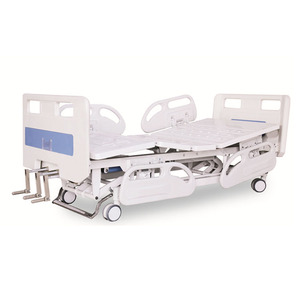
- Triple manual crank elevation mechanism
- High-durability ABS head/footboards
- Customizable side rail configuration
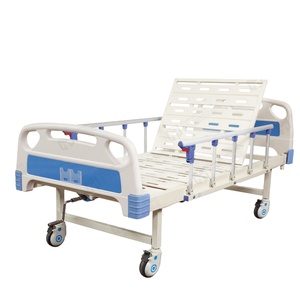
- Smooth backrest angle adjustment
- Aluminum alloy collapsible side rails
- Heavy-duty powder-coated steel frame
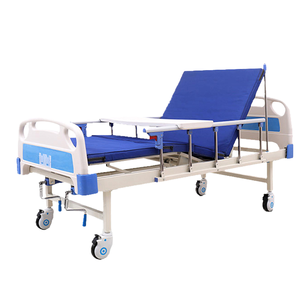
- Dual crank for back rest & knee elevation
- CE & ISO certified structural design
- Ergonomic operational efficiency
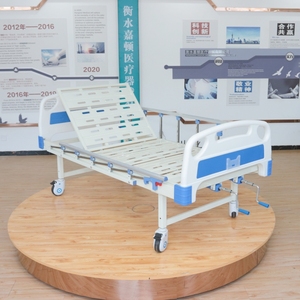
- Optimized manufacturing efficiency
- Integrated IV pole attachment sockets
- High dynamic loading capacity
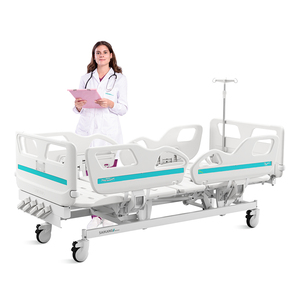
- Full mechanical height & posture control
- Central braking caster wheel array
- High-grade hydraulic lifting gear
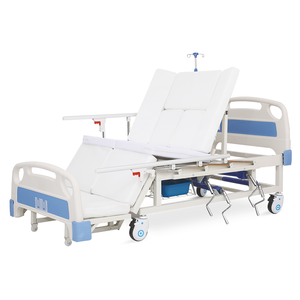
- Lateral turning mechanism for pressure relief
- Quick-access commode integration
- Designed for long-term patient nursing
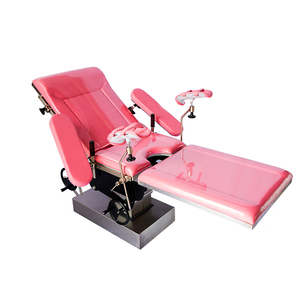
- Mechanical hydraulic height adjustment
- Ergonomic leg support & basin tray
- Seamless, stain-resistant upholstery
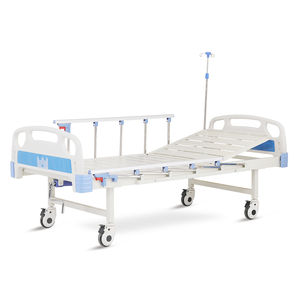
- 1.0mm precision robotic steel frame
- Includes dining table board & IV stand
- CE certified structural stability
Executive Summary: Sourcing Medical Exam Tables & Patient Beds from China Manufacturing Centers
In the global healthcare supply chain, procurement directors, hospital engineers, and medical equipment distributors constantly evaluate manufacturing ecosystems to secure high-performance, clinically compliant medical furniture. The market for medical examination tables, manual hospital beds, and specialized gynecological examination couches has seen a structural shift towards advanced manufacturing clusters in China. Evaluating top China exam table factories requires a clear understanding of structural metallurgy, ergonomic mechanical design, anti-microbial finishing, and stringent adherence to international regulatory standards such as CE marking, ISO 9001, ISO 13485, and EN 60601 clinical safety frameworks.
Information Gain Insight: Modern clinical exam table manufacturing is no longer restricted to simple manual frame assembly. Leading OEM/ODM manufacturing facilities combine automated laser welding, eco-friendly electrostatic anti-bacterial powder coatings, hydraulic lifting units, and modular accessories to achieve operational lifespans exceeding 10–15 years under heavy hospital usage.
Whether sourcing basic single-crank manual patient care beds for community clinics or multi-functional hydraulic examination tables for specialized ob-gyn wards, international buyers must navigate dynamic factor inputs—including cold-rolled steel grade thickness (e.g., 1.0mm to 2.0mm structural tubings), mechanical linkage tolerances, side-rail locking reliability, and dynamic payload capacity (often calibrated up to 250 kg / 550 lbs for bariatric standards).
Manufacturing Capabilities & OEM/ODM Enterprise Advantages
As a global pioneer in hospital furniture manufacturing and medical equipment exports, our manufacturing infrastructure stands at the intersection of precision engineering, strict quality control, and customer-centric customization. Our industrial facilities integrate modern production lines designed to support volume orders without compromising micro-level specifications.
Automated Robotic Welding & Metallurgy
Utilizing high-precision robotic arm welding stations ensures seamless structural joints, eliminating structural fatigue under heavy stress. We strictly utilize cold-rolled steel profiles with wall thicknesses from 1.0mm to 2.0mm, treated through multi-stage degreasing, phosphating, and automatic powder coating.
Stringent Regulatory & Quality Certification
Every examination table and hospital bed is built in accordance with international healthcare mandates. Our factory operates under audited ISO 9001 quality management systems and ISO 13485 medical device standard frameworks, with full CE compliance for European market distribution.
Modular Customization (OEM/ODM)
We provide full structural and cosmetic customization for brand distributors and governmental tenders. Options include custom mattress density, flame-retardant artificial leather upholstery (PU/PVC), side rail configurations, caster brake systems, and integrated dining table boards.
Global Export Supply Chain Mastery
With verified exports to over 77 countries, our logistics team optimizes container loading ratios (KD/knock-down packaging), lowering transoceanic freight costs while providing custom wood-crate or high-density carton packaging to prevent shipping damage.
Future Procurement Trends for Examination Tables & Medical Furniture (2025–2030)
As healthcare systems globally adapt to aging demographics, emergency preparedness, and digital integration, procurement strategies for basic medical furniture are evolving rapidly. Sourcing officers must look beyond immediate acquisition cost to evaluate total cost of ownership (TCO), operational agility, and environmental compliance.
1. Transition toward Electric & Hybrid Hydraulic Actuation
While traditional manual crank beds remain vital for budget-conscious home care and remote healthcare centers, modern hospital outpatient departments are rapidly procuring hybrid manual-hydraulic or low-voltage electric actuators. These systems minimize physical strain on nursing staff, enabling quick patient positioning (backrest adjustment, Trendelenburg elevation, and leg lifting) during examination routines.
2. Antimicrobial Surface Coatings & Seamless Upholstery
Nosocomial infections (HAIs) present a multi-billion-dollar challenge to global health systems. Future procurement contracts explicitly demand examination tables featuring seamless, high-frequency welded vinyl upholstery and silver-ion embedded powder coatings. Eliminating stitched seams prevents blood, bodily fluids, and disinfectants from harboring pathogens inside foam cores.
3. Modular Engineering for Rapid Assembly & Freight Efficiency
High ocean freight rates have reshaped physical product design. Leading Chinese factories are redesigning examination tables into modular, knock-down (KD) structures. This innovation increases standard 40ft High Cube container payload efficiency by up to 40%, significantly reducing per-unit transportation emissions and landed import costs.
4. Enhanced Ergonomics & Bariatric Weight Capacities
With global rising rates of obesity, standard examination tables rated for 135 kg (300 lbs) are being replaced by high-capacity structural platforms rated for 225 kg to 300 kg (500–660 lbs). Heavy-gauge steel frames, reinforced scissor-lifting linkages, and wider sleeping surfaces are becoming standardized features across clinical product lines.
Key Product Development & Technological Trends in Medical Furniture
The manufacturing landscape for medical examination tables and manual patient care beds is undergoing a technological transformation driven by mechanical innovation and human-centric design. Understanding these technical shifts helps procurement managers select products aligned with future-proof clinical needs.
Integrated Multi-Functional Examination Platforms
Specialized clinical procedures increasingly demand adaptable equipment. Modern examination tables now integrate gynecological leg crutches, retractable foot extensions, stainless steel waste basins, and paper roll holders directly into a single compact footprint. This multi-use versatility allows general clinics to perform routine physicals, minor dermatological procedures, and gynecological examinations on the same equipment piece, optimizing room utilization.
Advanced Fall-Prevention & Zero-Gap Side Rail Design
Patient safety regulations have prompted factories to redesign side rails. Older collapsible rail designs often left pinch points or lateral gaps that posed patient entrapment risks. Modern ABS fold-down side rails and aluminum alloy drop-down safety gates utilize zero-gap alignment with smooth damping mechanics, complying with EN 60601-2-52 entrapment prevention guidelines.
Eco-Friendly & Recyclable Material Selections
Environmental, Social, and Governance (ESG) criteria are expanding in hospital procurement tenders. Top Chinese factories are phasing out harmful phthalates in PVC coverings, replacing them with recyclable, non-toxic Polyurethane (PU) artificial leathers. Structural metal parts utilize 100% recyclable cold-rolled steel, and powder-coating lines recycle up to 98% of over-sprayed non-VOC powder materials.
B2B Buyer Sourcing FAQ: Buying Manual Beds & Exam Tables from China
To assist procurement managers, medical device importers, and hospital project planners in making informed decisions, we have compiled comprehensive answers to frequent technical, logistical, and commercial inquiries.
What are the critical quality inspection points for manual hospital beds & exam tables?
Key inspection factors include: 1) Structural frame loading test (applying 1.5x safe working load static force); 2) Salt-spray anti-corrosion test on powder-coated steel (minimum 48-72 hours); 3) Manual crank system mechanical cycle test (minimum 10,000 continuous lifts); 4) Caster wheel swivel & braking durability; and 5) Flame retardancy of upholstery fabric.
What is the typical Minimum Order Quantity (MOQ) for factory direct procurement?
Standard OEM manufacturing MOQs typically range between 20 to 50 units for fully assembled manual beds or specialized exam tables, fitting efficiently within a 20ft container. However, for customized branding, color variations, or proprietary steel tubing modifications, MOQs are usually negotiated based on batch production runs.
How do manual crank beds compare with hydraulic and electric models in maintenance costs?
Manual crank beds feature purely mechanical gear-and-screw linkages, eliminating electrical motors, control boxes, and hydraulic seals that could leak. Consequently, manual beds offer near-zero electrical maintenance, making them ideal for regions with unstable power grids, budget constraints, or minimal technical service teams.
Can China manufacturers handle custom voltage, plugs, or specialized OEM specs?
Yes. Top manufacturing facilities support full OEM/ODM development. For motorized or hybrid exam tables, actuators are configured to local voltage (110V 60Hz or 220V 50Hz) with region-specific power cords (US, EU, UK, AU standards). Mechanical alterations like frame dimensions, colorways, and branding plates are standard options.
What certifications must a China factory hold for European & American hospital supply?
For European markets, products require CE certification under the Medical Device Regulation (MDR 2017/745) alongside ISO 13485 quality system compliance. For US imports, FDA registration and compliance with applicable safety standards (such as IEC 60601-1 for electrical medical equipment) are essential prerequisites.
How is damage prevented during long-distance oceanic freight shipping?
Factories employ heavy-duty 5-layer corrugated export cartons, reinforced corner protectors, inner PE moisture bags, and wooden crate framing for delicate components like hydraulic pumps or ABS panels. Knock-down packaging minimizes internal shifting and optimizes container space utilization.
Partner with a Premier Medical Equipment Manufacturer
Whether you are equipping a newly constructed hospital, fulfilling a government medical tender, or expanding your regional healthcare distribution catalog, our engineering team provides direct factory pricing, certified quality, and dedicated technical support.