
CE Certified Medical Beds: Enterprise Product Portfolio
Explore our CE & ISO certified hospital beds engineered for intensive care units, general wards, home care, and specialized clinical environments.
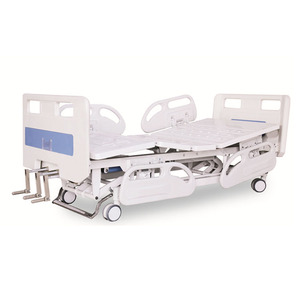
CH Medical Manual Hospital Bed Multi-Functional & Customizable 3-Crank Design
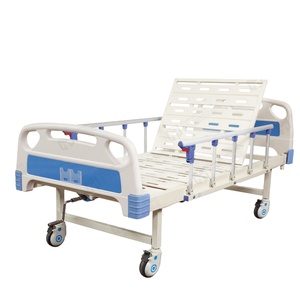
Manual 1 Crank Hospital Bed with ABS Headboard & Aluminum Alloy Side Rails
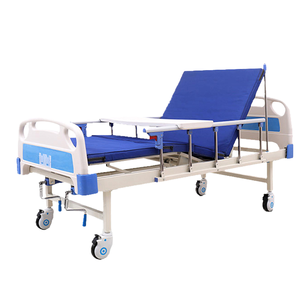
Factory Direct Supply Manual Two Cranks Metal Hospital Bed with Back & Leg Lift
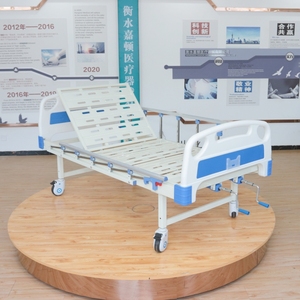
Economical 2-Crank Hospital Patient Care Bed with Reinforced Frame Structure
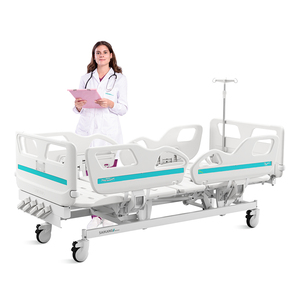
V4v Customizable Movable 5-Function Manual Bed with Integrated Lifting System
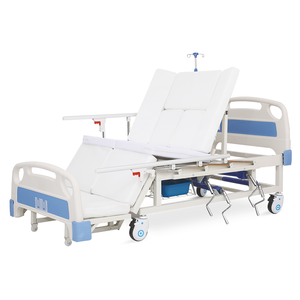
Manual Nursing Bed with Side Turning System & Integrated Commode Function
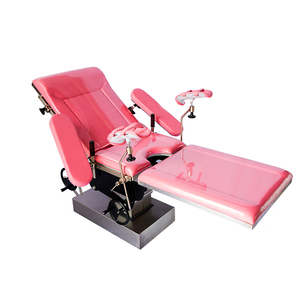
Multifunction Mechanical Hydraulic Gynecological Examination Bed
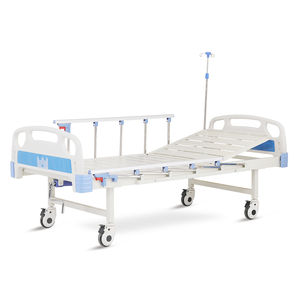
Manual Hospital Bed 1-Crank 1.0mm Steel with Mattress, Table & IV Stand
Understanding the Role of CE Certified Medical Bed Suppliers in Modern Healthcare Infrastructure
In contemporary clinical environments, hospital beds are no longer static pieces of ward furniture; they are complex, ergonomically engineered medical devices essential for patient recovery, caregiver safety, and clinical infection protocol enforcement. As global healthcare systems scale up to handle expanding patient volume and heightened surgical loads, sourcing from a verified CE Certified Medical Bed Supplier has become a critical baseline requirement for procurement committees, hospital engineering directors, and international medical equipment distributors.
CE marking under the European Union Medical Device Regulation (MDR 2017/745) and strict compliance with standard EN 60601-2-52 (particular requirements for the basic safety and essential performance of medical beds) guarantees that equipment meets stringent mechanical load capacities, electrical safety protocols, anti-entrapment geometry, and biocompatibility criteria. Suppliers operating out of established manufacturing hubs like Turkey offer strategic logistical and quality benefits, connecting rigorous European engineering compliance with high-volume manufacturing cost efficiency.
EN 60601-2-52 Safety Standard
Guarantees zero entrapment risk across all 9 critical zones (headboard, side rails, mattress platform), engineered specifically to protect vulnerable pediatric and elderly patients from accidental mechanical injury.
Biocompatible & Anti-Bacterial Materials
Utilizes seamless molded ABS polymer panels and electrostatic anti-microbial epoxy powder coatings capable of resisting aggressive chemical disinfectants (bleach, quaternary ammonium) used in hospital sanitation.
High Structural Load Capacities (SWL)
Every frame is fabricated from cold-rolled steel tubing subjected to dynamic stress testing, delivering Safe Working Loads (SWL) ranging from 175 kg on standard manual beds to over 250 kg on heavy-duty ICU platforms.
Detailed Analysis of Medical Bed Configurations: Manual vs. Electric
When selecting hospital beds for healthcare tenders or facility renovations, procurement teams must evaluate the operational trade-offs between manual crank mechanisms and motorized electric systems. The choice depends on clinical acuity, electrical infrastructure, caregiver ratios, and budgetary allocations.
| Performance Specification | 1-Crank / 2-Crank Manual Beds | 3-Crank / 5-Function Manual Beds | 2-Motor / 4-Motor Electric ICU Beds |
|---|---|---|---|
| Primary Application | General Wards, Outpatient Clinics, Emergency Relief | Long-Term Nursing, Home Care, Bariatric Relief | Intensive Care Units (ICU), High Dependency Units (HDU) |
| Adjustability Functions | Backrest elevation (0-75°), Knee rest articulation (0-45°) | Backrest, Knee rest, Height adjustment, Trendelenburg | Full electric Back, Knee, Height, Trendelenburg & Reverse Trend. |
| Actuation & Power | Foldable chrome steel manual hand cranks | Mechanical hydraulic springs & reinforced manual cranks | Low-voltage DC motors (Linak/Dewert) with IPX4 liquid protection |
| Caregiver Ergonomics | Requires manual physical force by nursing personnel | Moderate physical effort assisted by mechanical balance | Zero physical exertion; remote hand control & nurse control panel |
| Emergency Functionality | Manual reset | Manual reset | Instant mechanical CPR quick-release lever for rapid resuscitation |
| Safe Working Load (SWL) | 175 kg - 200 kg | 200 kg - 225 kg | 230 kg - 280 kg (Bariatric variants up to 350 kg) |
Key Information Gain: Enterprise Manufacturing Capabilities & OEM Standards
A true high-authority manufacturer distinguished in the international market demonstrates complete control over its industrial supply chain—from raw metal tube processing to final cleanroom packing. Erpomed’s Turkish manufacturing headquarters in Gaziantep exemplifies modern medical furniture production capabilities:
- Robotic Laser Cutting & Welding: Frame joints are welded using automated robotic MIG/TIG welding cells, eliminating human structural inconsistency and ensuring maximum fatigue resistance over decades of continuous use.
- Integrated Polymer Injection Molding: High-density polyethylene (HDPE) and ABS plastic side rails and head/foot boards are produced in-house, featuring smooth radiused corners that eliminate dirt traps.
- Surface Pre-Treatment & Nanotechnology Coating: Steel components undergo a multi-stage zirc-phosphating bath before receiving an anti-bacterial electrostatic polyester powder coating cured at 200°C.
- Rigorous Load & Cycle Testing: Randomly sampled beds undergo 10,000-cycle continuous elevation tests under 150% maximum rated load to verify gearbox and motor longevity.
Global Procurement Trends in Medical Beds (2025–2030)
Based on global buyer behavior metrics and intent data from hospital tender commissions across Europe, Africa, Latin America, and the Middle East, four key trends are shaping future medical bed procurement decisions:
1. Integration of Smart IoT & Patient Monitoring Sensors
Hospitals are increasingly requesting beds pre-configured with strain-gauge load cells for continuous out-of-bed alerting, automated patient weight tracking, and integration into Central Nurse Call Networks without requiring external scale accessories.
2. Home-Care & Long-Term Nursing Beds with Turn-Assist
With aging populations accelerating home-based care models worldwide, manual and electric nursing beds equipped with lateral side-turning mechanics and integrated commode openings (such as the Manual Nursing Bed with Side Turning) significantly reduce caregiver strain and prevent decubitus pressure ulcers.
3. Nearshoring & Supply Chain Resilience
International procurement directors are shifting away from vulnerable long-distance supply routes in favor of established Eurasian manufacturers. Turkey’s strategic position allows rapid containerized sea shipping into Europe, North Africa, and the Middle East in under 7–10 days.
Evolution of Technological Innovations in Hospital Furniture
Medical bed design has evolved dramatically from rigid tubular steel frames to smart ergonomic work platforms. Modern technological innovations focus heavily on three core clinical axes:
A. Clinical Infection Control & Hygiene Maintenance
Nosocomial infections (Hospital-Acquired Infections or HAIs) represent a multi-billion-dollar challenge for global health authorities. Modern CE-certified medical beds combat HAIs through seamlessly drop-down side rails, removable mattress platform panels made of steam-sterilizable ABS or compact laminate (HPL), and completely enclosed motor housings that prevent dust accumulation.
B. Fall Prevention & Patient Ergonomics
Unintended patient falls remain a key safety metric in hospital audits. Advanced bed designs feature split foldable side rails that move synchronously with backrest elevation, maintaining constant lateral barrier height. Low-height bed designs (capable of dropping down to 350 mm off the floor) significantly reduce trauma risk for disoriented patients.
C. Specialized Delivery & Examination Platforms
Modern obstetric and gynecological care requires rapid transformation between routine examination modes and emergency surgical birthing configurations. Multi-function hydraulic and electric delivery tables incorporate removable leg section extensions, stainless steel waste basins, and adjustable leg crutches to ensure maximum procedural flexibility.
Frequently Asked Questions (FAQ) for Medical Bed Procurement
Essential guidance for hospital buyers, procurement managers, and tender authorities.
Strategic Checklist for Hospital Bed Purchasing Committees
Before issuing international tenders or signing supply contracts, ensure your procurement evaluation committee verifies the following technical criteria:
- Structural Rigidity: Verify welded steel chassis thickness (minimum 1.0mm profile) and anti-corrosion treatment standard.
- Safety Entrapment Compliance: Ensure side-rail gap dimensions strictly meet EN 60601-2-52 anti-entrapment limits (<120 mm gap).
- Caster System Quality: Specify 125mm dust-proof swivel casters with central braking systems or high-grade independent brakes for smooth patient transport.
- Accessory Compatibility: Check for integrated 4-corner IV pole sockets, drainage bag hooks, and under-bed traction frame mounting options.
- Factory Audit Credentials: Confirm ISO 13485 certification and export history to top-tier international health ministries.
Ready to Source CE Certified Medical Beds directly from the Manufacturer?
Partner with Erpomed for factory-direct pricing, custom OEM solutions, and reliable global delivery across 77+ countries. Contact our engineering team today to receive a comprehensive catalog and technical quotation for your project.
Get a Quote