
CE Certified Anesthesia Carts & Hospital Workstations
Explore our flagship hospital carts, manual beds, and emergency trolleys. Manufactured in ISO 13485 certified factories with customizable modular drawer configurations, anti-microbial coatings, and central locking systems.
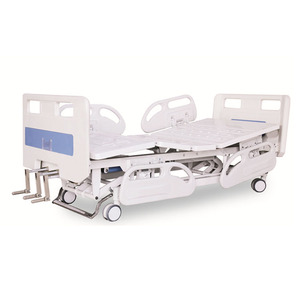
CH Medical Multi-Functional 3-Crank Hospital Bed
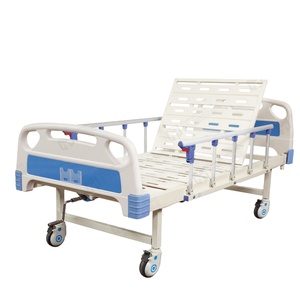
Manual 1-Crank Hospital Bed with Aluminum Rails
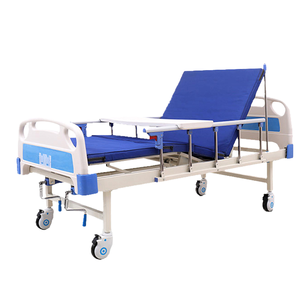
Factory Direct 2-Crank Metal Patient Bed
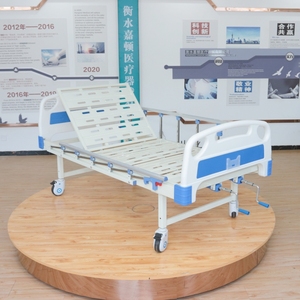
Clinical Manual 2-Crank Patient Care Bed
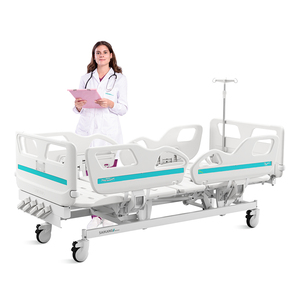
V4v 5-Function Manual Bed with Lifting System
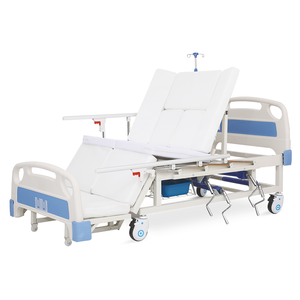
Manual Nursing Bed with Side-Turning System
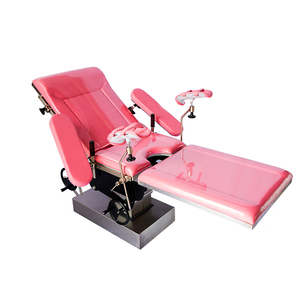
Hydraulic Gynecological & Examination Table
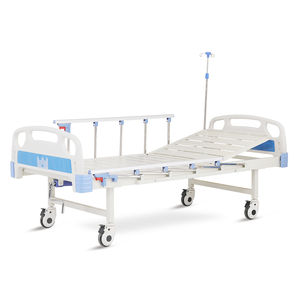
Manual 1-Crank Bed with IV Stand & Mattress Table
Why Hospital Procurement Directors Partner With Us
As a premier CE-certified medical furniture manufacturer based in Gaziantep, Turkey, Erpomed supplies electric hospital beds, ICU beds, anesthesia carts, and surgical room equipment to government health ministries, private clinic chains, and medical distributors worldwide.
Strict CE & ISO Compliance
All anesthesia carts and medical furniture undergo stringent quality control under ISO 9001 and ISO 13485 management systems, fully conforming to European Union Medical Device Regulation (CE MDR 2017/745) requirements.
Monocoque Polymer Architecture
Constructed using high-density ABS, HDPE, and aircraft-grade aluminum extrusions. Non-porous seamless molded surfaces eliminate bacterial harbor points and withstand aggressive hospital disinfectant chemicals.
Central Narcotics Security
Equipped with centralized keylock systems, break-away safety seal slots, and optional electronic RFID/biometric keypads to enforce strict controlled-substance management in operating rooms.
Engineering Architecture of Modern CE Certified Anesthesia Carts
In modern operating suites and critical care units, an anesthesia cart is far more than a basic storage trolley. It functions as an ergonomic, mobile life-support command station housing anesthetic agents, airway management devices, intravenous analgesics, and real-time monitoring accessories. A high-performance CE certified anesthesia cart manufacturer must engineer products that address three critical hospital operational challenges: rapid clinical access, stringent controlled-substance security, and effective hospital-acquired infection (HAI) mitigation.
Clinical Information Gain Note: According to global healthcare accreditation bodies (such as JCI and EU Medical Directive standards), over 64% of medication preparation errors in operating rooms stem from poorly organized medication drawers or compromised trolley mobility during critical intraoperative events. Precision modular drawer layout is a clinical safety imperative.
Material Science: ABS Monocoque vs. Stainless Steel Frameworks
Traditional hospital carts relied heavily on welded mild steel frames, which were prone to chipping, rusting, and chemical degradation from chlorine-based cleaning solutions. Leading international factories have transitioned to hybrid structural engineering:
- Injection-Molded ABS Top Decks: Featuring raised perimeter rim edges (containment lips) to prevent fluid spills from running onto lower drawer compartments during surgical procedures.
- Extruded Aluminum Alloy Corner Pillars: Provide high structural rigidity with low tare weight, creating integrated accessory tracks for mounting IV poles, defibrillator shelves, oxygen cylinder clamps, and sharps container brackets without drilling into cart walls.
- Anti-Bacterial Powder-Coated Steel Chassis: Standard metal components receive electrostatic thermosetting powder coatings embedded with silver-ion antimicrobial additives that actively inhibit bacterial colonization (e.g., MRSA and E. coli) on contact.
Comparative Technical Matrix: Standard Trolleys vs. Advanced CE Anesthesia Carts
To assist hospital procurement teams and biomedical engineers in evaluating tender specifications, the following matrix compares baseline commercial medical trolleys against enterprise-grade CE certified anesthesia workstations:
| Specification Feature | Standard Medical Trolley | Advanced CE Certified Anesthesia Workstation | Clinical & Operational Advantage |
|---|---|---|---|
| Certification & Compliance | Basic CE Self-Declaration | CE MDR (2017/745), ISO 13485, EN 60601-1 | Legal compliance for EU, US & Global Tender Eligibility |
| Locking Mechanism | Single Cam Drawer Lock | Central Keylock + RFID Electronic Keypad + Break-away Seals | Dual-layer security for Schedule II controlled narcotics |
| Mobility & Braking | Standard PVC Castors | 5-inch Noise-Dampened TPR Dual-Wheel Castors with Central Brake | Zero-effort push force, non-marking, silent OR transport |
| Drawer Compartmentalization | Fixed Metal Drawers | Modular ABS Tilt Bins with Adjustable Polycarbonate Dividers | Sub-second drug identification and zero cross-contamination |
| Infection Control | Jointed Sheet Metal (Porous) | Monocoque Seamless Polymer Body + Anti-Microbial Top Deck | Rapid 360-degree surface wipe-down; resistant to harsh disinfectants |
| Payload Capacity | 40 kg – 60 kg | 150 kg – 220 kg Static & Dynamic Load Limit | Supports heavy monitors, gas cylinders, and suction pumps |
Global Procurement Trends & Future Technology Outlook (2025–2030)
As hospitals transition toward digital healthcare ecosystems, the procurement criteria for medical carts are shifting rapidly. Forward-thinking healthcare buyers and medical equipment distributors are prioritizing the following four macro trends when selecting manufacturing partners:
1. Integration of Smart RFID & IoT Asset Tracking
Drug theft prevention and automated inventory replenishment are driving the adoption of smart anesthesia carts. Future-ready carts feature embedded High-Frequency RFID readers in each drawer. When an anesthesiologist removes a vial of propofol or fentanyl, the system automatically updates the hospital’s electronic health record (EHR) and pharmacy inventory system, reducing manual record-keeping by up to 80%.
2. Ergonomic Height Adjustability & Motorized Assistance
Nurse and physician burnout linked to musculoskeletal strain has led to strict ergonomic guidelines in European and American hospital tenders. Modern anesthesia carts incorporate pneumatic or electronic push-button height adjustment mechanisms, allowing clinicians of varying heights to maintain neutral spinal posture during long operating room shifts.
3. Modular Reconfigurability for Hybrid OR Units
Surgical suites are increasingly multi-disciplinary. Factories are now supplying modular carts with standardized universal mounting rails. Hospitals can easily swap out side accessories—converting an anesthesia cart into an emergency crash cart or pediatric resuscitation trolley within minutes without requiring specialized tools.
4. Sustainable & Recyclable Polymer Manufacturing
Environmental, Social, and Governance (ESG) criteria are now embedded in international healthcare tenders. Leading factories in Turkey and Europe utilize 100% recyclable polycarbonates and eco-friendly powder coating processes that eliminate volatile organic compounds (VOCs) during factory production.
Frequently Asked Questions by Hospital Buyers
Answers to essential technical, regulatory, and commercial queries regarding imported anesthesia carts, factory OEM capabilities, and international compliance standards.
Request Full Technical Specifications & Factory Direct Pricing
Partner with a leading CE-certified hospital furniture manufacturer. Download our comprehensive product catalog or consult directly with our export engineering team for custom hospital project quotations.