
Knowledge Center & News

Medical Equipment &
Hospital Bed Insights

Explore professional guides, clinical innovations, and technical standards from Erpomed.

Industry Updates

Healthcare Furniture
Innovations & Trends

Stay informed with expert news on ICU beds, delivery tables, and medical equipment standards.

0%

Choosing the right gynecology examination table can influence clinical safety, patient comfort, and daily workflow. It is not merely furniture. It supports positioning, examination accuracy, infection control, and respectful communication.

An electric model allows clinicians to adjust height, backrest angle, and pelvic positioning with powered controls. These movements can reduce unnecessary lifting and help patients with limited mobility transfer more safely. A lower entry height may ease access for older patients, pregnant patients, or anyone using a wheelchair. Quiet motors matter, too. Sudden noise can increase anxiety in an already vulnerable room.

Dr. Atul Gawande, a surgeon and healthcare-quality expert, wrote, “Better is possible. It does not take genius. It takes diligence.” That principle applies to equipment selection. A well-designed gynecology examination table should offer stable support, easy-to-clean surfaces, accessible controls, and reliable weight capacity. Staff should also test the foot controls, emergency stop function, upholstery seams, and electrical safety before purchase. Small details become important during a busy clinic day.

Still, electric adjustment is not automatically better. A poorly positioned control, slow motor, or fragile accessory can create new problems. Cost, maintenance, room size, and staff training deserve honest review. The best choice depends on real patient needs, not attractive specifications alone. This guide examines why electric tables are increasingly considered, where they provide practical value, and what clinics should question before investing.
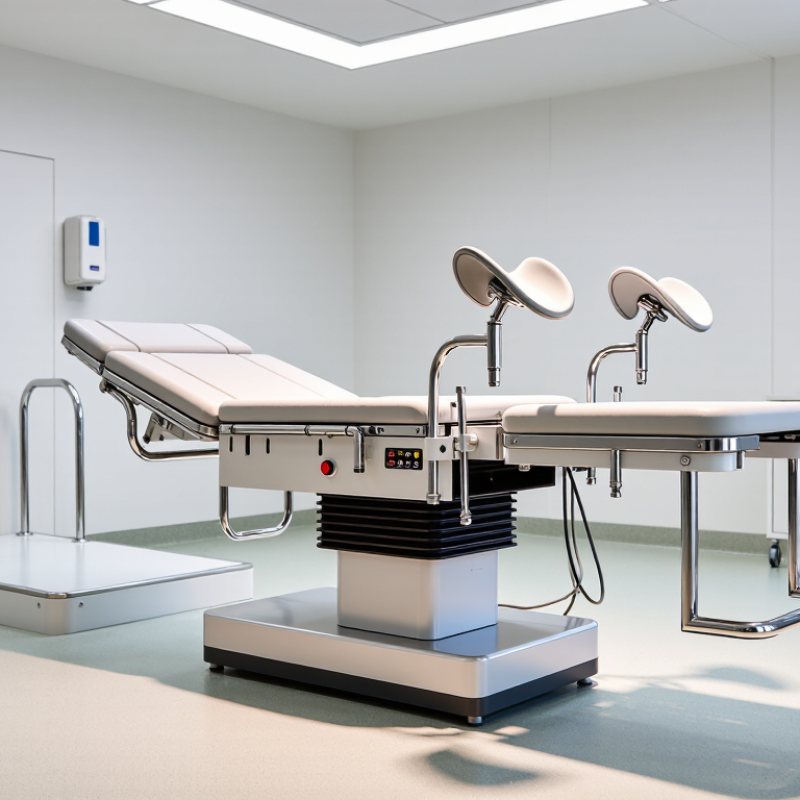
Why Choose an Electric Gynecology Examination Table?

What Is an Electric Gynecology Examination Table?

An electric gynecology examination table is a motorized clinical platform designed for pelvic examinations, cervical screening, and related procedures. Its electric actuators adjust the table height, backrest, and pelvic position with controlled movement. Hand controls or foot switches allow clinicians to make changes without leaving the patient’s side. Unlike a fixed examination couch, it supports safer access for patients with limited mobility.

The 2022 U.S. Bureau of Labor Statistics report recorded more than one million nonfatal injury and illness cases in healthcare and social assistance. This figure does not measure gynecology tables directly. However, it highlights the physical demands within clinical work. Adjustable height can reduce repeated bending during transfers and examinations. A lower entry position may also help older adults or patients using mobility aids. Small details matter, such as rounded edges, stable stirrups, and easy-to-clean upholstery.

The table is not magic. Poor training can still create risks. Electric movement may also make anxious patients feel uncertain, especially when the motor starts suddenly. Clinicians should explain each adjustment, check the patient’s comfort, and follow the table’s load limits. Guidance from the World Health Organization emphasizes safe, people-centered care and effective risk management. A reliable table therefore combines mechanical stability, clinical usability, and respectful communication. That combination is often more valuable than extra features.

How Electric Adjustment Features Improve Clinical Examinations

An electric gynecology examination table turns positioning into a controlled clinical task. With a hand control, staff can raise the seat, adjust the backrest, and support safer pelvic access. These movements reduce repeated bending and awkward reaching during speculum examinations or ultrasound procedures. NIOSH identifies forceful exertion, awkward posture, and repetition as major ergonomic risk factors. The U.S. Bureau of Labor Statistics recorded 1,662,700 nonfatal injury and illness cases in private health care and social assistance in 2023. Not every case involves examination equipment, but the figure shows why workflow ergonomics deserve attention.

Small adjustments can improve patient comfort, too. A gradual lift helps a patient with limited mobility transfer more confidently. A stable height lets clinicians keep their shoulders relaxed and their eyes closer to the examination field. OSHA’s ergonomic guidance supports engineering controls that reduce unnecessary physical strain. However, the table does not solve every problem. Staff still need training, clear weight limits, accessible controls, and routine equipment checks. The control may be misplaced. The motor may move too quickly. That deserves honest testing.

Evidence specific to electric gynecology tables remains limited, so facilities should measure real outcomes. Useful indicators include setup time, staff discomfort reports, repositioning frequency, and patient assistance needs. Clinical leaders can compare these records before and after installation. A quiet motor also matters in sensitive examinations. The best adjustment is precise, smooth, and easy to stop. Patient dignity depends on those details.

Why Choose an Electric Gynecology Examination Table?

Electric adjustment features allow clinicians to position the patient more efficiently while supporting ergonomic examination conditions. The chart shows representative adjustment ranges commonly available on non-branded electric gynecology examination tables; specifications vary by model.

Typical ranges: table height 54–94 cm, backrest adjustment 0–70°, and Trendelenburg adjustment 0–25°. Always verify the specifications of the selected table.

Key Benefits for Patients and Healthcare Professionals

An electric gynecology examination table supports safer, more adaptable care. Its powered height adjustment can help patients transfer from a wheelchair or standing position with less strain. A low entry height may also reduce anxiety before an intimate examination. Adjustable backrests and leg supports improve positioning without requiring repeated manual movement.

Healthcare professionals benefit from better working posture. The World Health Organization reports that musculoskeletal conditions affect approximately 1.71 billion people worldwide. NIOSH identifies awkward postures, force, and repetition as major workplace risk factors. A powered table can reduce bending and reaching during examinations, especially in busy clinics. It cannot fix poor room design, though. That limitation matters.

Tips: Check the table’s lowest height before each appointment. Lock the wheels during transfers. Explain every movement before adjusting the table. Use a step stool only when clinically appropriate. Keep controls accessible but protected from accidental activation. A 2023 clinical ergonomics review noted that equipment supports safety only when staff receive practical training. Electric movement is helpful, but it may feel slow or intimidating to some patients. Listen to their feedback. Safety should not become a performance target.

Safety, Hygiene, and Accessibility Considerations

Why Choose an Electric Gynecology Examination Table?

Safety begins with controlled movement.

An electric table lets clinicians adjust height, backrest, and pelvic positioning without repeated manual lifting. This can reduce awkward reaching during examinations, although it does not remove every transfer risk. Staff still need training, clear communication, and a safe patient-handling assessment.

Stability matters.

A wide base, locking casters, hand controls, and an emergency stop can support safer positioning. The table should lower close to floor level for patients with limited strength or balance. According to the World Health Organization’s Global Report on Health Equity for Persons with Disabilities, about 1.3 billion people live with significant disability. That figure makes accessibility a daily requirement, not a special feature. Small details matter.

Hygiene depends on surfaces and workflow.

Seamless upholstery, sealed edges, and removable supports reduce places where fluids can collect. The CDC’s Guideline for Disinfection and Sterilization states that cleaning must occur before disinfection. A powered table cannot compensate for skipped cleaning steps. Staff should check disinfectant compatibility, contact time, and hidden joints after every use. According to WHO and UNICEF’s 2023 WASH report, billions of people still lack safely managed sanitation services worldwide. Clinical rooms need stricter controls.

Yet convenience can create complacency. Controls may be pressed accidentally, and cables can obstruct movement. Regular inspections, documented cleaning, and patient feedback remain necessary. Safety is never purely mechanical.

How to Choose the Right Electric Examination Table

Why Choose an Electric Gynecology Examination Table?

How to Choose the Right Electric Examination Table

Choosing an electric gynecology examination table should begin with clinical workflow, not appearance. Measure the room, doorway, and transfer space carefully. In practice, a low entry height can reduce awkward patient transfers. Powered height adjustment also helps clinicians maintain a safer working posture.

The U.S. Bureau of Labor Statistics reported 502,380 workplace cases involving sprains, strains, or tears in 2022. That figure supports closer attention to staff ergonomics. Select a table with smooth electric positioning, intuitive foot or hand controls, and a stable lifting capacity. Check whether the lowest height suits shorter patients and wheelchair transfers. It matters.

The World Health Organization estimates that 1.3 billion people experience significant disability worldwide. Accessibility should therefore influence the specification. Look for a wide, supportive surface, secure side supports, and a dependable emergency-lowering function. For infection control, choose seamless, non-absorbent upholstery and surfaces that tolerate approved disinfectants. Ask for cleaning compatibility in writing.

Review IEC 60601-1 compliance, electrical protection, and the manufacturer’s risk-management documentation. Also confirm service response times, replacement-part availability, and staff training. A powerful motor is not enough. Noise, vibration, and control placement affect patient confidence. I would avoid choosing from photographs alone; a brief clinical trial often reveals uncomfortable angles or poor foot-control access. Even experienced buyers can miss those details.

Why Choose an Electric Gynecology Examination Table? - How to Choose the Right Electric Examination Table
Selection Dimension Recommended Specification Practical Benefit in Gynecology What to Check Before Purchase
Height Adjustment Allows clinicians to work at a comfortable ergonomic height and makes patient access easier. Confirm the lowest height, adjustment speed, stability, and whether the control system works from both sides.
Backrest Adjustment Supports examination, consultation, minor procedures, and patient positioning without manual lifting. Look for smooth movement, an easy-to-reach hand control, and a reliable locking function.
Trendelenburg Position Provides additional positioning flexibility during examinations and selected clinical procedures. Check the operating range, movement smoothness, emergency return function, and overall frame stability.
Patient Weight Capacity Provides a suitable safety margin for a broad range of patients and accessories. Verify whether the stated capacity includes dynamic movement, accessories, and uneven load distribution.
Examination Surface Width Balances patient comfort with adequate clinician access during pelvic examinations. Ensure the width is compatible with stirrups, side supports, room space, and patient transfer requirements.
Examination Surface Length Accommodates most adult patients while leaving sufficient working space around the table. Measure the usable padded area separately from the total frame length.
Electric Actuators Enables precise positioning and reduces the physical effort required from staff. Ask about actuator protection, rated duty cycle, noise level, maintenance access, and replacement availability.
Foot Control and Hand Control Allows adjustment while maintaining attention on the patient and keeping hands available when appropriate. Choose controls with clearly marked functions, protected cables, and an emergency stop or return feature.
Patient Support System Improves positioning accuracy and patient comfort during gynecological examinations. Check height and angle adjustment, padding, weight rating, ease of cleaning, and quick-release access.
Upholstery Supports infection-control routines and provides a comfortable, easy-to-clean surface. Review resistance to disinfectants, abrasion, cracking, staining, and fluid penetration.
Cleaning and Infection Control Reduces areas where moisture and contaminants can collect between patients. Confirm compatibility with the cleaning agents used in the facility and follow the manufacturer’s cleaning instructions.
Frame and Base Stability Helps maintain stability during height adjustment, patient transfer, and examination procedures. Inspect the base footprint, leveling system, castors, brakes, weld quality, and vibration during movement.
Patient Transfer Safety Reduces the effort and fall risk associated with getting onto or off the examination table. Evaluate transfer space, edge design, side supports, step requirements, and accessibility for mobility-limited patients.
Power and Emergency Operation Maintains basic positioning and patient safety during a power interruption. Check voltage compatibility, battery operating time, charging status indicators, and emergency lowering capability.
Noise and Movement Creates a calmer clinical environment and minimizes patient anxiety during adjustment. Test the table under load and listen for vibration, sudden stops, or excessive actuator noise.
Room Compatibility Supports efficient examination workflow, cleaning, emergency access, and equipment positioning. Measure doorways, turning space, electrical outlet locations, ceiling clearance, and nearby equipment placement.
Safety and Compliance Helps ensure that the table is suitable for professional healthcare environments. Request current technical documentation, risk information, user instructions, inspection procedures, and local compliance records.
Serviceability Reduces downtime and helps preserve safe performance throughout the product’s service life. Clarify preventive maintenance intervals, warranty terms, technical support, and expected replacement-part lead times.
Specifications shown are practical selection guidelines for electric gynecology examination tables. Exact dimensions, load limits, adjustment ranges, and compliance requirements should be confirmed in the technical documentation for the specific model and healthcare facility.

FAQS

What is an electric gynecology examination table?

It is a motorized clinical platform for pelvic examinations, cervical screening, and related procedures. Electric controls adjust height and backrest.

How can electric adjustment improve clinical examinations?

Staff can change the table position without leaving the patient’s side. This may reduce bending, awkward reaching, and repeated manual adjustments.

Can the table help patients with limited mobility?

A low entry position can support safer transfers. Stable stirrups and rounded edges may also improve confidence and comfort.

What safety features should an electric examination table include?

Look for a wide base, locking casters, accessible controls, and an emergency stop. Clear load limits are essential.

How should staff manage powered movement during an examination?

Explain each adjustment before moving the table. Use slow movements, check comfort, and stop immediately if the patient feels unsafe.

What hygiene details are important?

Choose seamless upholstery, sealed edges, and removable supports. Clean surfaces before disinfection, and observe the required contact time.

Does an electric table remove all workplace risks?

No. Transfers, awkward postures, poor training, and blocked cables can still create hazards. The table is not magic.

How can a clinic judge whether the table improves its workflow?

Track setup time, repositioning frequency, staff discomfort, and patient assistance needs. Compare results before and after installation.

Why does a quiet, smooth motor matter?

Sudden noise or movement may increase anxiety during sensitive examinations. Precise movement supports dignity, although preferences can differ.

What should a clinic check regularly?

Inspect controls, casters, cables, upholstery, joints, and emergency functions. Document cleaning and maintenance. Small details matter.

Conclusion

An electric gynecology examination table is a specialized clinical platform designed to support gynecological assessments and procedures with motorized height, backrest, and positioning adjustments. Unlike manually operated models, it allows healthcare professionals to make precise changes quickly and smoothly, helping create a more efficient examination process. These adjustments can improve visibility, reduce unnecessary physical strain for clinicians, and help patients feel more comfortable and supported throughout their visit.

When selecting a gynecology examination table, healthcare facilities should consider patient comfort, weight capacity, adjustment range, stability, and ease of operation. Safety features such as secure positioning, emergency controls, and reliable construction are essential, while smooth, easy-to-clean surfaces support effective hygiene practices. Accessibility is also important, as a low entry height and flexible positioning can assist patients with limited mobility. By balancing functionality, durability, safety, and maintenance requirements, clinics can choose an electric table that supports both high-quality care and a positive patient experience.

Evelyn

Evelyn

Evelyn is a highly experienced marketing professional dedicated to helping businesses understand products, markets, and customer needs with greater clarity. As a key contributor to the company’s communications team, she regularly updates the corporate website with practical, well-researched blog......